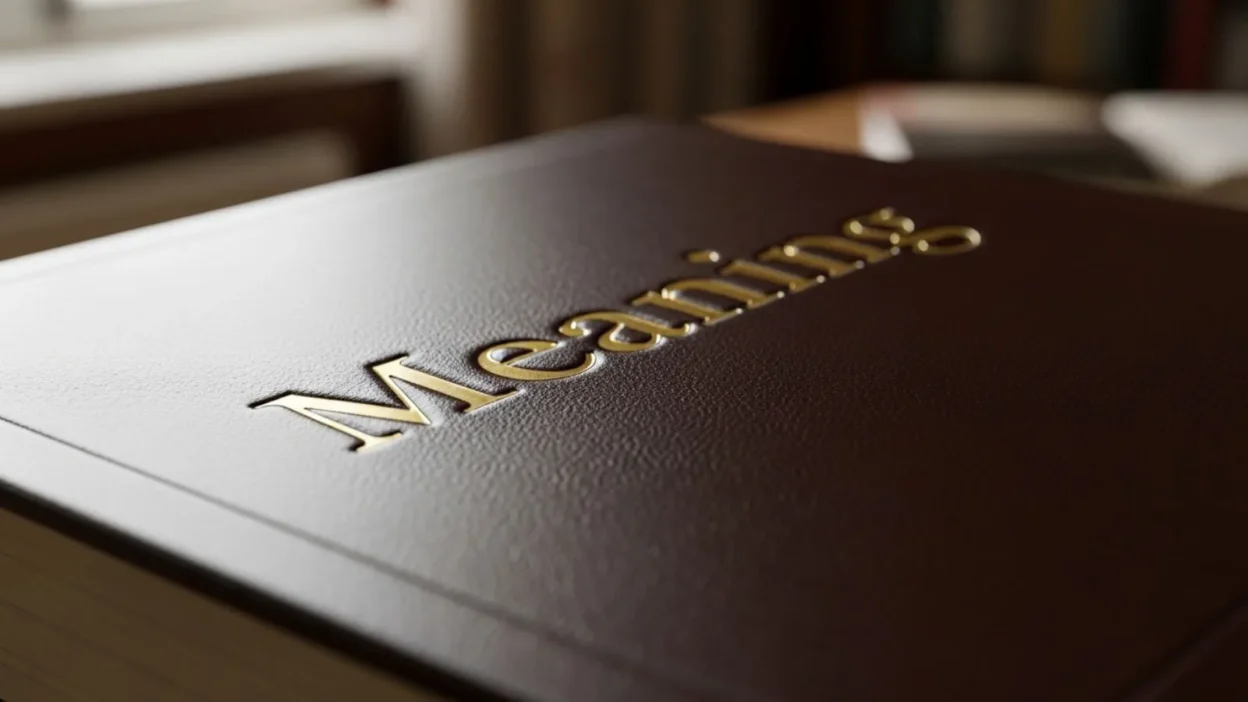
Embossed meaning refers to a design technique where patterns, text, or images are raised above the surface of a material to create a noticeable 3D effect.
This method is widely used in printing, packaging, branding, and decorative arts to give a premium and elegant appearance. When something is embossed, it not only enhances visual appeal but also adds a unique texture that can be felt by touch, making it more engaging and memorable.
In modern design and branding (2026 trends), embossing is commonly seen in business cards, luxury packaging, book covers, certificates, and invitations. It helps brands stand out by creating a high-quality and professional impression.
People prefer embossed designs because they look stylish, luxurious, and more impactful compared to flat prints. In this article, we will explore the true meaning of embossed, how it works, its types, uses, and why it plays an important role in today’s creative and commercial industries.
What is Embossed Meaning?
Embossed meaning refers to a printing and design technique in which text, patterns, or images are raised above the surface of a material to create a three-dimensional (3D) effect. In simple words, embossing is a process that makes certain parts of a design “stand out” from the rest of the surface, giving it a textured and premium look. This technique is widely used in printing, packaging, branding, and decorative design to enhance visual appeal and create a strong impression.
The concept of embossing is not only about appearance but also about touch. When you run your fingers over an embossed surface, you can actually feel the raised design. This combination of visual and tactile experience makes embossing very popular in luxury branding and professional printing.
Historically, embossing was used in official seals, important documents, and religious manuscripts to show authenticity and authority. Today, it has evolved into a modern design element used in business cards, wedding invitations, book covers, product packaging, and corporate branding materials.
Embossed designs are especially valued in marketing because they help brands look more elegant, trustworthy, and high-end. Unlike flat printing, embossing adds depth and character to a design without needing additional colors or graphics. This makes it a powerful tool in minimalist and luxury design trends.
In short, embossed meaning represents a creative technique that transforms simple designs into visually attractive and physically textured elements, making them more noticeable and memorable in both personal and professional use.
How Embossing Works (Step-by-Step Process)
Embossing works through a combination of pressure, heat, and specially designed metal tools to create a raised impression on a material. The process is carefully controlled to ensure that the final design looks clean, sharp, and professional. It is commonly used on paper, cardboard, leather, and sometimes plastic, depending on the purpose of the design.
The first step in embossing is creating a metal die, which is a custom-made mold of the desired design. This die usually comes in two parts: a raised (male) part and a recessed (female) part. These two pieces work together like a stamp and its mold.
Next, the material (such as paper or card) is placed between the two dies. When pressure is applied using an embossing machine, the material is pressed tightly between them. This pressure forces the design to rise above the surface, forming the embossed effect.
In some modern techniques, heat is also applied to make the impression more precise and long-lasting. Digital embossing machines can control pressure and alignment with high accuracy, making the process faster and more efficient than traditional manual methods.
There are also variations in the process depending on the design requirement. For example, blind embossing is done without ink or foil, while combination embossing includes additional printing or metallic effects.
Overall, embossing works by physically reshaping the surface of a material rather than adding ink or color. This is what gives it its unique raised texture and premium feel, making it a preferred choice in luxury packaging, branding, and professional print design.
Types of Embossing
Embossing comes in several different types, each offering a unique visual effect and level of detail. These types are used in printing, packaging, and branding depending on the design purpose and desired finish.
Blind Embossing
Blind embossing is the simplest form of embossing. It creates a raised design on the surface without using any ink, foil, or color. The result is a clean, subtle, and elegant look. This type is often used for luxury business cards, minimal logos, and high-end stationery where simplicity is important.
Registered Embossing
Registered embossing is when the embossed design aligns perfectly with printed elements such as text or logos. This type requires high precision because the raised effect must match the printed design exactly. It is commonly used in professional branding and corporate materials.
Combination Embossing
Combination embossing mixes embossing with other techniques like foil stamping or printing. This creates a more decorative and premium effect. It is widely used in luxury packaging, invitations, and product labels to attract attention and enhance visual appeal.
Heat Embossing
Heat embossing uses special powder and heat tools to create a raised, glossy effect. The powder melts under heat and forms a textured design. This method is popular in crafts, greeting cards, and DIY design projects because it is flexible and creative.
Each type of embossing serves a different purpose, but all share the same goal: to create a raised, textured design that enhances visual impact and gives a premium feel. These variations allow designers and brands to choose the best embossing style based on budget, material, and creative needs.
Embossed vs Debossed (Key Differences)
Embossed and debossed are two opposite design techniques used to create texture and depth in printing and branding, but they are often confused because both involve altering the surface of a material. Understanding the difference between them is important for choosing the right style for design projects.
Embossing is a process where the design is raised above the surface of the material. It creates a 3D effect that stands out visually and can also be felt by touch. Embossed designs are commonly used in luxury branding, business cards, packaging, and invitations because they give a premium and elegant appearance.
On the other hand, debossing is the opposite technique. Instead of raising the design, it presses it into the surface, creating an indented or sunken effect. Debossed designs look subtle, deep, and minimal, making them ideal for modern and simple branding styles.
The key difference lies in direction: embossing goes upward (raised effect), while debossing goes downward (pressed-in effect). Both techniques use similar tools like metal dies and pressure machines, but the final appearance is completely different.
In terms of usage, embossing is often chosen when a brand wants to appear bold, luxurious, and eye-catching. Debossing is preferred when a more understated and elegant look is required. Embossing works well on thicker materials like cardstock and leather, while debossing can be used on a wider range of surfaces.
In short, both embossed and debossed designs add depth and sophistication, but they serve different creative purposes depending on the desired visual impact and branding style.
Real-Life Uses of Embossing
Embossing is widely used in many industries because it enhances the look, feel, and value of a product or design. Its ability to create a raised, textured effect makes it a popular choice for both functional and decorative purposes.
Branding and Business Identity
One of the most common uses of embossing is in branding materials such as business cards, logos, and letterheads. Companies use embossed designs to create a strong and professional first impression. A raised logo or text immediately gives a sense of quality and trust.
Packaging Industry
In the packaging world, embossing is often used for luxury products like cosmetics, perfumes, chocolates, and premium electronics. Embossed packaging helps products stand out on shelves and makes them feel more high-end and valuable to customers.
Publishing and Printing
Books, magazines, and cover designs also use embossing to highlight titles or decorative elements. Embossed book covers are especially popular for special editions, giving them a unique and collectible appearance.
Official Documents
Embossing is frequently used on certificates, diplomas, legal papers, and government documents. The raised seal or stamp adds authenticity and prevents forgery, making the document more secure and official.
Fashion and Accessories
In the fashion industry, embossing is applied to leather goods such as wallets, belts, handbags, and shoes. It is also used on clothing tags and labels to enhance brand identity and style.
Why Embossing is Important in Modern Design
Embossing plays a significant role in modern design because it adds depth, texture, and a premium feel that flat printing cannot achieve. In today’s competitive market, where visual identity is everything, embossing helps brands stand out and create a strong emotional connection with customers.
One of the main reasons embossing is important is its ability to enhance visual appeal. The raised effect naturally catches light and shadow, making designs more attractive and noticeable. This makes it especially powerful in branding materials where first impressions matter.
Another key importance is brand identity and recognition. Businesses use embossed logos, business cards, and packaging to create a unique identity that customers can remember easily. A well-embossed design communicates professionalism, trust, and high quality.
Embossing also adds a tactile experience, meaning people can feel the design as well as see it. This physical interaction increases engagement and makes the product more memorable. Studies in marketing show that tactile branding improves customer perception and emotional response.
In addition, embossing supports luxury and premium positioning. High-end brands in cosmetics, fashion, and electronics use embossing to justify higher pricing and create exclusivity.
It is also important in minimalist design trends, where designers avoid heavy graphics and rely on texture to create impact. Embossing allows a simple design to look elegant without using extra colors or elements.
Overall, embossing is not just a decorative technique—it is a powerful design tool that improves branding, enhances user experience, and adds lasting value to printed and packaged products in modern industries.
Advantages of Embossing
Embossing offers many advantages that make it a popular choice in printing, branding, and packaging industries. One of the biggest benefits is its ability to create a premium and elegant appearance. The raised texture instantly gives a design a high-quality look, which helps brands attract attention and stand out from competitors.
Another important advantage is strong visual impact. Embossed designs naturally catch light and shadows, making them more noticeable even without using bright colors or complex graphics. This makes it an excellent choice for minimalist and luxury branding styles.
Embossing also provides a tactile experience, meaning it can be felt by touch. This adds an extra sensory dimension to the design, making it more engaging and memorable for customers. People are more likely to remember something they can both see and feel.
In addition, embossing helps improve brand identity and recognition. Companies use embossed logos and packaging to create a unique and professional image. It communicates trust, quality, and attention to detail, which is important in building customer confidence.
Another advantage is its versatility. Embossing can be applied to many materials such as paper, cardboard, leather, and fabric. It is used in business cards, invitations, packaging boxes, certificates, and fashion accessories.
Finally, embossing has a long-lasting effect because it does not rely on ink or color that may fade over time. The physical impression remains intact, maintaining its quality for a long period.
Overall, embossing is a powerful design technique that combines beauty, durability, and branding value, making it highly effective in modern visual communication.
Disadvantages of Embossing
Although embossing is widely used for its premium and attractive appearance, it also comes with several disadvantages that should be considered before choosing it for a design or printing project. One of the main drawbacks is the higher production cost. Embossing requires special metal dies, machines, and skilled handling, which makes it more expensive than standard printing methods.
Another disadvantage is that embossing is a time-consuming process. Each design needs a custom die to be created, and the setup process for machines takes additional time. This makes it less suitable for urgent or large-scale low-budget projects where fast production is required.
Embossing also has limited color and design flexibility. Since the technique focuses on creating a raised surface effect, it does not directly support detailed color gradients or complex graphic elements. Designers must keep the artwork simple and carefully planned to achieve the best results.
In addition, embossing is not suitable for all materials. Very thin or fragile materials may get damaged under pressure, and not every surface can hold a clear embossed impression. This limits its usage in certain printing applications.
Another issue is machine dependency and precision requirements. Poor-quality machines or incorrect alignment can lead to uneven or unclear embossing, reducing the overall quality of the final product.
Lastly, embossing may not always be practical for everyday or mass-market products because of its cost and production limitations.
Embossing in Modern 2026 Design Trends
In 2026, embossing continues to play an important role in modern graphic design, especially in luxury branding and premium packaging. Even with advanced digital printing technologies, embossing remains popular because it offers a physical, tactile experience that digital effects cannot fully replicate. Designers now combine traditional embossing with modern creative trends to produce more unique and visually powerful results.
One major trend is minimalist luxury design, where brands use simple logos or text with subtle embossing. Instead of complex visuals, the focus is on clean layouts and textured surfaces. This creates a sophisticated and high-end appearance that appeals to modern consumers.
Another growing trend is eco-friendly packaging with embossing. Many companies are shifting toward sustainable materials like recycled cardboard and biodegradable paper while still using embossing to maintain a premium feel. This allows brands to be environmentally responsible without losing aesthetic quality.
In addition, digital and embossing hybrid techniques are becoming more common. Designers first create digital artwork and then apply embossing during the final printing stage. This combination ensures accuracy, speed, and creativity in production.
Embossing is also widely used in luxury branding industries such as cosmetics, fashion, electronics, and gourmet food packaging. These brands use embossed logos and textures to enhance product value and customer perception.
Furthermore, modern embossing machines are more advanced, allowing for higher precision, faster production, and more detailed designs than ever before.
Overall, embossing in 2026 is not outdated—it is evolving. It has adapted to modern design needs while maintaining its core purpose: creating elegant, tactile, and visually impactful designs that enhance brand identity and user experience.
Industries That Use Embossing Most
Embossing is widely used across multiple industries because it adds a premium, professional, and visually appealing touch to products and printed materials. Its ability to create a raised texture makes it valuable for both branding and functional purposes.
One of the major industries using embossing is the advertising and branding sector. Companies rely on embossed business cards, logos, and stationery to create a strong brand identity. It helps businesses appear more trustworthy and high-end, especially during client interactions.
The packaging industry is another key user of embossing. Luxury products such as cosmetics, perfumes, chocolates, and electronics often feature embossed packaging to increase shelf appeal and attract customers. A textured box instantly feels more premium compared to flat printed packaging.
In the publishing industry, embossing is used on book covers, magazines, and special editions. It highlights titles, logos, or decorative elements, making books more attractive and collectible.
The fashion and textile industry also uses embossing on leather goods like wallets, belts, handbags, and shoes. It is commonly seen on brand tags and labels, adding elegance and brand recognition.
Additionally, event management and stationery design industries use embossing for wedding invitations, greeting cards, and certificates. It gives a formal, stylish, and memorable appearance.
Even the corporate and government sectors use embossing for official seals, documents, and certificates to ensure authenticity and prevent forgery.
Overall, embossing is used wherever visual appeal, professionalism, and brand value matter. Its wide application across industries shows how important it has become in modern design and communication.
Common Mistakes in Embossing Design
Embossing can create a highly attractive and professional look, but if it is not designed or executed properly, the final result may lose its quality and impact. Many designers and businesses make common mistakes that reduce the effectiveness of embossed designs.
One of the most frequent mistakes is overcomplicating the design. Embossing works best with simple and clean artwork. When too many details, small text, or complex patterns are used, the raised effect becomes unclear and less visible. Minimal designs always produce better embossing results.
Another common issue is choosing the wrong material. Not all papers, cards, or surfaces are suitable for embossing. Thin or low-quality materials may tear or fail to hold the raised impression properly, leading to uneven or damaged results.
Poor alignment of embossing dies is also a major mistake. If the male and female dies are not perfectly aligned, the design may appear distorted or off-center. This reduces the professional quality of the final product.
Many people also ignore pressure and machine settings. Too much pressure can damage the material, while too little pressure results in a weak or incomplete emboss. Proper calibration is essential for a clean finish.
Another mistake is not considering design spacing and layout. Embossed elements need enough space around them to stand out clearly. Crowded layouts can reduce visibility and impact.
Finally, using low-quality embossing equipment can lead to inconsistent or blurry results, affecting the overall appearance.
Future of Embossing Technology
The future of embossing technology is evolving rapidly as modern design, automation, and digital printing continue to advance. Even though embossing is a traditional technique, it is being upgraded with new tools and innovations that make it more precise, efficient, and creative than ever before.
One major development is the rise of AI-assisted design and printing systems. Artificial intelligence helps designers create perfect embossing layouts by analyzing spacing, depth, and alignment before production. This reduces human error and improves overall quality.
Another important trend is advanced 3D embossing technology. Unlike traditional flat embossing, 3D embossing allows for deeper, more detailed textures that create a stronger visual and tactile impact. This is especially useful in luxury branding and high-end packaging.
The integration of smart packaging is also shaping the future. Brands are now combining embossing with QR codes, NFC tags, and interactive design elements, allowing customers to engage with products digitally while still enjoying physical texture.
Sustainability is another key focus. Future embossing methods are shifting toward eco-friendly materials and energy-efficient machines, reducing environmental impact while maintaining premium quality. Recyclable packaging with embossed designs is becoming more popular among global brands.
In addition, modern embossing machines are becoming faster and more automated, allowing mass production without losing precision. This makes embossing more accessible for both small businesses and large companies.
Overall, the future of embossing is not about replacing traditional methods but enhancing them with technology. It will continue to be an important part of branding and design, combining creativity, innovation, and sustainability to meet the demands of modern industries.
FAQs About Embossed Meaning
What does embossed mean in simple words?
Embossed means a design, text, or pattern that is raised above the surface of a material. It creates a 3D effect that you can both see and feel, making the design more attractive and premium.
Where is embossing commonly used?
Embossing is commonly used in business cards, packaging boxes, book covers, certificates, invitations, and luxury branding materials. It is especially popular in industries where presentation and first impression are important.
What is the difference between embossed and debossed?
Embossed designs are raised above the surface, while debossed designs are pressed into the surface. Embossing creates an upward 3D effect, whereas debossing creates an indented or sunken effect.
Is embossing expensive?
Yes, embossing is generally more expensive than standard printing because it requires custom metal dies, special machines, and additional production time. However, it is often used for premium and luxury products.
Can embossing be done on all materials?
No, embossing works best on thicker and durable materials like paper, cardstock, leather, and cardboard. Very thin or weak materials may get damaged under pressure.
Why do brands use embossing?
Brands use embossing to create a high-end, professional, and memorable appearance. It helps improve brand identity and makes products look more valuable and trustworthy.
Is embossing still popular in 2026?
Yes, embossing is still very popular in 2026, especially in luxury packaging, minimalist branding, and eco-friendly design trends combined with modern printing technology.
Conclusion
Embossed meaning refers to a creative design technique that raises text, patterns, or images above a surface to create a unique and textured effect.
Throughout this article, we explored how embossing works, its different types, real-life applications, advantages, and limitations.
It is clear that embossing plays an important role in modern design, branding, and packaging because it adds elegance, depth, and a premium feel that flat printing cannot achieve.
From business cards and luxury packaging to certificates and fashion accessories, embossing is used across many industries to improve visual appeal and brand identity.
Even with the rise of digital design, embossing remains highly relevant in 2026 due to its tactile and luxurious nature.