
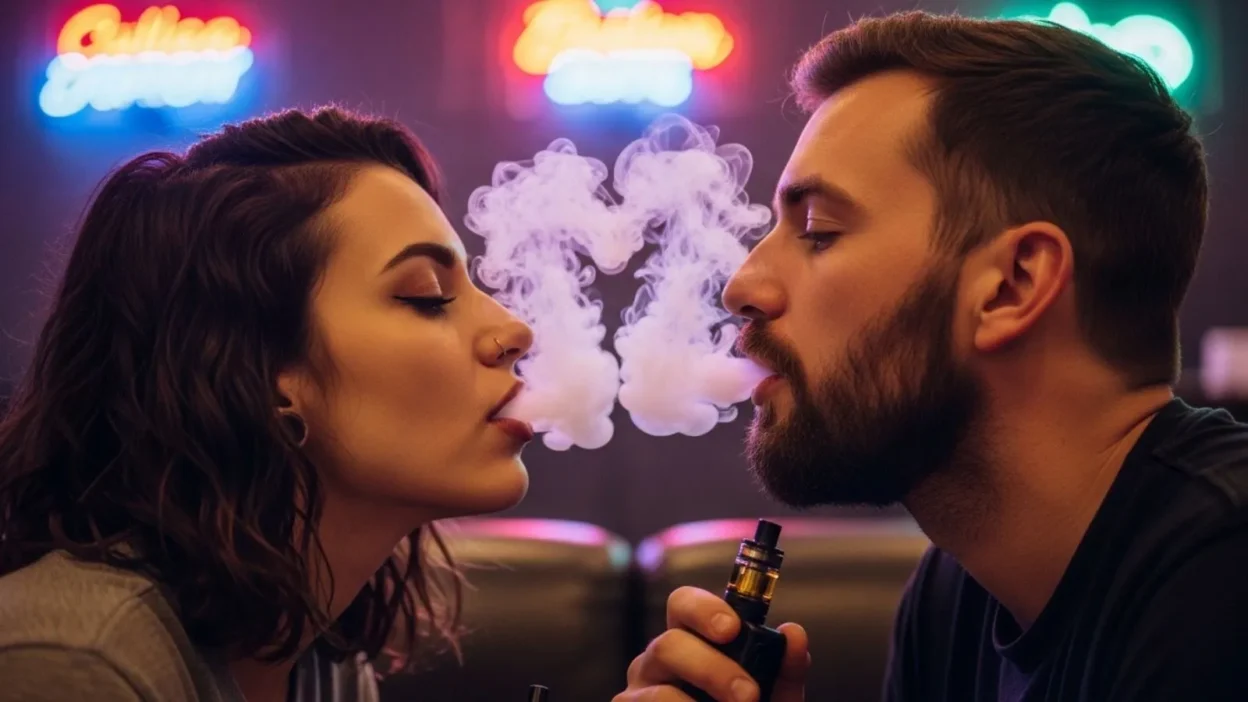
Vaping has become a common sight in streets, cafes, and social media feeds, but not everyone really knows what it means.
If you’ve ever heard someone say they “vape” and wondered, “What exactly is a vape?”, you’re not alone. In simple terms, vape meaning refers to the act of inhaling vapor produced by an electronic device, often called a vape or e-cigarette.
Unlike traditional smoking, vaping doesn’t burn tobacco but heats a liquid called e-liquid or vape juice to create a vapor that can be inhaled. People vape for different reasons: some use it as an alternative to smoking, others enjoy the flavors, and some are curious about the experience.
In this guide, we’ll break down everything you need to know about vaping, from its meaning and devices to safety, health effects, and common terms, helping you understand this trend clearly and confidently.
Vape Meaning (Simple Definition)
At its core, the term “vape” has two related meanings: it can be a noun or a verb. As a verb, to vape means to inhale and exhale vapor produced by an electronic device instead of smoking traditional tobacco. As a noun, a vape refers to the device itself that creates this vapor. These devices are often called e-cigarettes, vape pens, pods, or mods depending on their size and features.
The vapor inhaled is created by heating a liquid known as e-liquid or vape juice, which usually contains propylene glycol (PG), vegetable glycerin (VG), flavorings, and sometimes nicotine. Unlike cigarette smoke, which comes from burning tobacco, vape produces a smooth, flavored vapor that is often less harsh on the throat. This difference is a key reason why many smokers consider switching to vaping.
In everyday conversations, you might hear someone say, “I’m going to vape,” meaning they’re about to use their device. Similarly, when someone refers to a “vape,” they usually mean the actual electronic device. Understanding this distinction is essential for anyone new to vaping culture.
Overall, the vape meaning is simple yet multi-layered: it’s both the act of inhaling vapor and the tool used to create it. In the next sections, we’ll explore how vaping works, the types of devices, and why it has become so popular.
What Is Vaping?
Vaping is the act of inhaling vapor produced by a vape device instead of traditional cigarette smoke. Unlike smoking, which involves burning tobacco, vaping heats a liquid—called e-liquid or vape juice—to create a vapor that can be inhaled. This is why vaping is sometimes considered a less harsh alternative to smoking, as it doesn’t produce the strong odor or tar associated with cigarettes.
A typical vape device has a battery, a heating element called a coil, and a reservoir for the e-liquid. When the device is activated, the coil heats the liquid, turning it into vapor. Users then inhale the vapor through the mouthpiece. The experience can range from a smooth, subtle puff to large clouds of vapor, depending on the type of device and the liquid used.
People choose to vape for various reasons. Some are looking for a smoking alternative, while others enjoy the wide variety of flavors available, from fruity to dessert-inspired options. Social influence and curiosity also play a role, especially among younger adults.
Vaping has its own culture and terminology, with phrases like “cloud chasing” (producing large vapor clouds) and “throat hit” (the sensation felt when inhaling) becoming common among enthusiasts. Understanding what vaping is and how it works is the first step toward knowing why it has become so popular around the world.
History and Evolution of Vaping
Vaping may seem like a modern trend, but its origins date back several decades. The concept of an electronic cigarette was first explored in the 1960s, but early devices were bulky, inefficient, and didn’t gain much attention. It wasn’t until the early 2000s that vaping started to take shape in a form closer to what we see today.
The modern e-cigarette was invented in 2003 by Hon Lik, a Chinese pharmacist, who was looking for a safer alternative to traditional smoking after losing his father to lung cancer. His design used a battery-powered heating element to vaporize a liquid containing nicotine, creating a smoke-free alternative for smokers. This invention quickly spread across Asia and Europe before gaining popularity in North America.
Over the years, vaping technology has evolved dramatically. Early models were simple “cigalikes” that mimicked the look of cigarettes. Later, vape pens, pod systems, and box mods emerged, offering more power, customizable options, and a variety of flavors. Today, vaping is not only a smoking alternative but also a lifestyle and hobby for many enthusiasts who enjoy cloud chasing, flavor experimentation, and collecting advanced devices.
The evolution of vaping reflects both technological innovation and social trends. From a niche invention to a global phenomenon, vaping has grown in popularity while sparking debates about health, regulation, and culture. Understanding this history helps explain why vaping has become a familiar sight in 2025 and why its meaning continues to expand beyond just “inhaling vapor.”
How Does a Vape Work?
A vape works by turning liquid into vapor that can be inhaled, and while the process may seem technical, it’s actually quite straightforward. Every vape device has three main components: a battery, a heating element (coil), and a reservoir for e-liquid. Some devices also include a mouthpiece and additional sensors or controls depending on their complexity.
When you activate the device, either by pressing a button or simply inhaling on automatic models, the battery powers the coil, which heats the e-liquid stored in the tank or pod. The liquid usually contains propylene glycol (PG), vegetable glycerin (VG), flavorings, and sometimes nicotine. As the coil heats the liquid, it vaporizes, creating a smooth mist that can be inhaled.
The type of vapor produced can vary depending on the device and liquid used. For example, high-VG liquids create thick clouds of vapor, while high-PG liquids provide a stronger “throat hit,” similar to traditional cigarettes. The size of the device and coil, as well as the temperature, also affect the experience.
Understanding how a vape works is key to understanding the vape meaning itself—it’s not about burning tobacco but about creating a flavored, inhalable vapor. This technology has made vaping popular as both a smoking alternative and a hobby for enthusiasts who enjoy customizing devices, experimenting with flavors, and producing large vapor clouds.
What Is Inside a Vape?
Understanding what’s inside a vape helps clarify why vaping is different from smoking and what the term “vape” truly means. At its core, a vape device consists of several key components: the battery, the coil (heating element), the tank or pod, and the mouthpiece.
The battery powers the device and determines how long it can be used before recharging. Smaller devices, like disposable vapes or pod systems, have built-in batteries, while larger mods often feature replaceable batteries.
The coil is a wire wrapped around a wick that absorbs the e-liquid. When powered by the battery, the coil heats up and vaporizes the liquid. Different coils can affect the flavor, vapor production, and throat hit, making them an important part of the vaping experience.
The tank or pod holds the e-liquid, which is sometimes called vape juice. E-liquids typically contain propylene glycol (PG), vegetable glycerin (VG), flavorings, and optionally nicotine. PG provides a stronger throat hit, while VG produces thicker vapor. Nicotine levels vary, allowing users to choose their preferred strength.
Finally, the mouthpiece directs the vapor to the user, and some advanced devices include airflow controls to adjust how much vapor is inhaled.
In short, a vape is a carefully designed system that converts liquid into inhalable vapor without combustion. By understanding its components, beginners can make informed decisions about which devices and e-liquids best suit their needs, and they gain a clearer picture of what the vape meaning really entails.
Types of Vape Devices
Vape devices come in various shapes, sizes, and functions, and understanding the main types is essential for anyone learning about vaping. Each device offers a different experience in terms of vapor production, flavor, and ease of use.
1. Disposable Vapes
Disposable vapes are small, pre-filled, and easy to use. They are ideal for beginners because there’s no need to refill e-liquid or replace coils. Once the battery or e-liquid runs out, the device is discarded. They are portable and convenient but can be more expensive over time.
2. Vape Pens
Vape pens are slightly larger than disposables and come with rechargeable batteries and refillable tanks. They offer better vapor production and more flavor options. Their simple design makes them beginner-friendly while giving a more consistent vaping experience.
3. Pod Systems
Pod vapes are compact devices that use replaceable or refillable pods instead of large tanks. They are popular for their ease of use, portability, and ability to deliver nicotine efficiently. Pod systems often provide a balance between convenience and performance.
4. Box Mods
Box mods are larger, more advanced devices that allow users to customize wattage, temperature, and airflow. They produce large clouds of vapor and intense flavor but require more knowledge and maintenance, making them suitable for experienced vapers.
Vape Juice Explained (What Is E-Liquid?)
Vape juice, also called e-liquid, is the substance that gets vaporized in a vape device. Understanding what’s in it is key to knowing the full vape meaning. E-liquid is typically made up of four main ingredients: propylene glycol (PG), vegetable glycerin (VG), flavorings, and sometimes nicotine.
Propylene Glycol (PG) is a thin liquid that carries flavor and provides a throat hit, similar to the feeling of smoking a cigarette. PG is less dense and produces less vapor but gives a stronger sensation when inhaled.
Vegetable Glycerin (VG) is a thicker liquid that creates large, smooth clouds of vapor. It has a slightly sweet taste and a milder throat hit. Most e-liquids use a combination of PG and VG to balance flavor, vapor, and throat sensation.
Flavorings are what make vaping appealing to many users. They range from fruity, dessert, and candy flavors to classic tobacco or menthol. The wide variety allows vapers to customize their experience and explore flavors that suit their taste.
Nicotine is optional and comes in various strengths. Some e-liquids are nicotine-free, while others provide a mild to high concentration, catering to those who want to gradually reduce nicotine intake or replicate the sensation of smoking.
In short, e-liquid is the heart of vaping, turning a device into a tool that produces flavored vapor. By understanding its ingredients, beginners can make informed choices about which vape juice to try, how much nicotine to use, and what type of vaping experience they prefer.
Vape Meaning vs Smoking
While vaping and smoking are often mentioned together, they are fundamentally different. The term vape refers to inhaling vapor produced by an electronic device, whereas smoking involves burning tobacco to produce smoke. This distinction is important for understanding why vaping has become a popular alternative for smokers and why its meaning extends beyond just “inhaling vapor.”
One key difference is the mechanism of delivery. Smoking combusts tobacco, producing smoke that contains tar, carbon monoxide, and thousands of chemicals. In contrast, vaping heats a liquid (e-liquid) to produce vapor, avoiding combustion. This means vaping produces fewer harmful byproducts than traditional smoking, although it is not completely risk-free.
Vaping also differs in flavor and sensory experience. E-liquids come in a wide range of flavors, allowing users to choose from fruity, dessert, or tobacco-inspired options. The vapor is smoother on the throat and usually less odorous than cigarette smoke, which can be more socially acceptable in certain settings.
Nicotine delivery is another distinction. Both smoking and vaping can provide nicotine, but vapers often have more control over the strength, allowing them to gradually reduce intake if desired. Additionally, devices vary in vapor production, giving vapers a customizable experience, unlike the fixed intensity of cigarettes.
Understanding these differences helps clarify the vape meaning and why people may choose vaping over smoking. It is not just a trend—it is a distinct way of consuming nicotine or enjoying flavored vapor with different health implications and social considerations.
Is Vaping Safe or Harmful?
Many people wonder if vaping is safe, and the answer is complex. While vaping is generally considered less harmful than smoking traditional cigarettes, it is not completely risk-free. The main reason vaping is viewed as safer is that it does not involve burning tobacco, which produces tar and thousands of toxic chemicals found in cigarette smoke.
However, e-liquids often contain nicotine, a highly addictive substance that can affect the heart, blood pressure, and brain development, especially in young adults and teenagers. Long-term health effects of inhaling flavored vapor are still being studied, so caution is advised.
Other potential risks include lung irritation, allergic reactions to certain ingredients, or misuse of devices, such as using high-powered mods incorrectly. Reports of vaping-related lung injuries, although rare, highlight the importance of buying devices and e-liquids from reputable sources.
Despite these risks, vaping can be considered a harm-reduction tool for smokers who want to quit or reduce cigarette consumption. Many adults have successfully switched to vaping to reduce exposure to harmful chemicals while still satisfying their nicotine cravings.
In conclusion, vaping is not completely safe, but it is often safer than smoking. Understanding the risks, choosing trusted products, and avoiding nicotine if unnecessary are essential steps for anyone considering vaping. By knowing both the potential harms and benefits, users can make informed decisions about whether vaping fits their lifestyle.
Why Do People Vape?
People choose to vape for a variety of reasons, ranging from personal preference to health considerations. One of the most common reasons is that vaping is seen as an alternative to smoking. Many smokers switch to vaping because it allows them to get nicotine without the harmful byproducts of burning tobacco, such as tar and carbon monoxide.
Another reason is the wide variety of flavors available in e-liquids. From fruity and dessert-inspired flavors to classic tobacco or menthol, vaping offers a customizable experience that appeals to many users. This diversity makes vaping more enjoyable and allows individuals to experiment with flavors they like.
Social factors also play a role. Vaping has developed its own community and culture, with enthusiasts sharing tips, participating in cloud-chasing competitions, and trying new devices. Peer influence and curiosity often lead beginners to try vaping.
Some people vape for the sensory experience, such as the smoothness of inhaling vapor, the throat hit, or producing large vapor clouds. Others may use vaping as a step-down method to gradually reduce nicotine intake and eventually quit altogether.
Finally, convenience is a factor. Vaping can be less smelly, easier to use in certain spaces, and more discreet than smoking.
In short, people vape for health reasons, flavor enjoyment, social influence, sensory experience, and convenience. Understanding these motivations helps explain the growing popularity of vaping and adds depth to the vape meaning, which goes beyond just inhaling vapor—it’s also about lifestyle choices and personal preferences.
Common Vaping Terms You Should Know
Vaping has developed its own language, and understanding these terms is important for beginners. Knowing them will make it easier to navigate discussions, read product labels, and enjoy the vaping experience safely.
1. Vape / Vaping:
The act of inhaling vapor from an electronic device. A vape can also refer to the device itself.
2. E-liquid / Vape Juice:
The liquid that is vaporized, usually containing PG, VG, flavorings, and optionally nicotine.
3. Coil:
The heating element inside the vape that turns e-liquid into vapor. Coils can be replaceable or built-in, and they affect flavor, vapor production, and throat hit.
4. Pod System:
A compact vape device that uses replaceable or refillable pods instead of a larger tank.
5. Throat Hit:
The sensation felt in the throat when inhaling vapor, often influenced by PG content and nicotine strength.
6. Cloud Chasing:
The practice of producing large vapor clouds, often for fun or competitions.
7. Nicotine Salt (Salt Nic):
A type of nicotine found in some e-liquids that allows higher nicotine levels with smoother hits, ideal for pod systems.
8. Sub-Ohm Vaping:
Using a coil with a resistance below 1 ohm to produce more vapor and stronger flavor.
9. Wattage / Temperature Control:
Settings on advanced devices to adjust the power or heat, influencing vapor production and flavor intensity.
By learning these common vaping terms, beginners can better understand device specifications, choose the right products, and enjoy vaping safely. Mastering the terminology also helps in understanding the broader vape meaning—it’s not just the act of vaping, but a culture with its own tools and language.
Legal Age and Regulations
Vaping is subject to laws and regulations in many countries, and understanding them is important for both safety and legality. The most common regulation concerns minimum age requirements, which are designed to prevent underage use. In many countries, including the United States and the United Kingdom, the legal age to buy or use vape products is 18 or 21, depending on local laws. Selling to minors is strictly prohibited and can result in severe penalties.
Regulations also cover the sale and marketing of e-liquids and devices. Many governments restrict advertising to ensure that vaping products are not targeted at children or teenagers. Packaging must often include health warnings, and some countries ban certain flavors that might appeal to minors, such as candy or dessert flavors.
Public vaping is another area regulated by law. Some regions prohibit vaping in indoor spaces, public transport, schools, and workplaces, similar to smoking laws. These rules are intended to protect non-vapers from exposure to secondhand vapor and to maintain public health standards.
Additionally, regulations often dictate the composition and labeling of e-liquids, ensuring that nicotine content is accurately stated and that harmful additives are limited or banned. Compliance with these rules is essential for manufacturers and users alike.
Understanding the legal age and regulations surrounding vaping helps users make informed and responsible choices. It also emphasizes that while vaping is accessible and popular, it is not without rules. Respecting these laws ensures a safer experience and aligns with the broader understanding of the vape meaning as both a device and a regulated activity.
Who Should Avoid Vaping?
While vaping has become popular as a smoking alternative, it is not suitable for everyone. Certain groups of people should avoid vaping due to potential health risks or susceptibility to nicotine addiction.
1. Teenagers and Young Adults:
Vaping is strongly discouraged for individuals under the legal age. Nicotine can affect brain development, particularly in adolescents and young adults, and increase the risk of addiction. Early exposure to nicotine may also impact learning, memory, and attention.
2. Non-Smokers:
If you don’t already smoke, starting vaping can introduce unnecessary health risks. Even though vaping is often less harmful than smoking, inhaling nicotine and other chemicals is not risk-free.
3. Pregnant or Nursing Women:
Nicotine can harm a developing fetus or infant, potentially affecting growth and brain development. Pregnant or breastfeeding women should avoid all nicotine products, including e-liquids.
4. Individuals with Certain Health Conditions:
People with heart disease, respiratory issues, or other chronic illnesses should consult a doctor before vaping. Nicotine and vapor inhalation can worsen symptoms or interfere with medical conditions.
5. People with a History of Addiction:
Nicotine is highly addictive, so individuals prone to substance abuse or addiction may want to avoid vaping entirely to prevent dependence.
In summary, while vaping can be an alternative for smokers, it is not safe for everyone. Understanding who should avoid vaping ensures safer use and reinforces the broader vape meaning—it’s not just about inhaling vapor but making informed decisions about health, age, and personal risk factors.
Tips for Beginners (If Someone Chooses to Vape)
If you are considering vaping, it’s important to start safely and responsibly. Here are some practical tips for beginners that will help you understand the devices, enjoy the experience, and minimize risks.
1. Start Simple: Begin with a disposable vape or a pod system.
These devices are easy to use, require minimal maintenance, and allow you to focus on learning how vaping works before trying more advanced devices.
2. Choose the Right Nicotine Strength:
E-liquids come in various nicotine levels. If you are a smoker transitioning to vaping, pick a strength that matches your previous nicotine intake. If you are new to nicotine, consider starting with a nicotine-free option.
3. Understand PG and VG Ratios:
The PG (Propylene Glycol) to VG (Vegetable Glycerin) ratio affects flavor, throat hit, and vapor production. Higher PG gives a stronger throat hit and more flavor, while higher VG produces bigger vapor clouds. Choose a ratio that matches your preference.
4. Buy from Reputable Sources:
Only purchase devices and e-liquids from trusted manufacturers or retailers. Avoid unregulated or homemade products, which can be unsafe or contain harmful ingredients.
5. Maintain Your Device:
Keep your vape clean, replace coils regularly, and charge batteries safely. Proper maintenance ensures a better vaping experience and reduces risks.
6. Vape Mindfully:
Don’t overuse the device. Pay attention to how your body reacts, especially if you are new to nicotine.
By following these tips, beginners can enjoy vaping safely while understanding the mechanics, flavors, and effects. Responsible use reinforces the true vape meaning—it’s about informed choices and controlled, enjoyable experiences.
FAQs About Vape Meaning
1. What does “vape” mean?
“Vape” can refer to both the act of inhaling vapor from an electronic device and the device itself. When someone says they vape, it means they are using a vape device to inhale flavored vapor.
2. Is vaping the same as smoking?
Not exactly. Smoking involves burning tobacco, producing smoke with tar and harmful chemicals. Vaping heats e-liquid to create vapor without combustion. While vaping is generally considered less harmful than smoking, it is not risk-free.
3. What is in a vape?
A vape device contains a battery, coil (heating element), tank or pod, and mouthpiece. The liquid inside, called e-liquid, contains PG, VG, flavorings, and optionally nicotine.
4. Is vaping addictive?
If the e-liquid contains nicotine, vaping can be addictive. Nicotine affects the brain’s reward system, so beginners should choose low or no-nicotine options if they want to avoid dependence.
5. Why do people vape?
People vape for smoking alternatives, flavor enjoyment, social influence, or convenience. Some also use vaping as a step-down method to reduce nicotine intake.
Conclusion
Vaping has grown into a widely recognized trend, but understanding the vape meaning is essential before trying it.
At its core, vaping is inhaling vapor produced by an electronic device rather than burning tobacco, making it a distinct alternative to smoking.
Vapes come in various types, from disposables and pod systems to advanced mods, and the liquids they use can contain different flavors and nicotine strengths.
While vaping is generally considered less harmful than smoking, it is not risk-free.
Beginners should start responsibly, choose reputable products, and be aware of regulations, health risks, and personal limitations.
Vaping is also about personal preference, social influence, and lifestyle choices, which is why understanding both the devices and the culture around them is important.

Oliver Wordsmith is the creative mind behind Punnery.com, a website full of clever puns, witty wordplay, and visual jokes. At Punnery.com, Oliver shares content that makes readers laugh, sparks creativity, and celebrates the playful side of language.