Have you ever heard someone exclaim “Uff da” and wondered what it really means? This short, quirky expression has roots deep in Scandinavian culture, but it has become a beloved part of everyday language in the American Midwest, especially in states like Minnesota, North Dakota, and Wisconsin.
Uff Da is more than just a funny phrase it’s a versatile expression used to convey surprise, frustration, exhaustion, or even delight. Its charm lies in its simplicity: just two syllables can communicate an entire emotional reaction without overcomplicating things.
In 2026, the phrase has even gained popularity online, appearing in memes, social media posts, and casual conversations beyond its traditional regional boundaries.
If you’re curious about its origin, how to use it in your own speech, or why it resonates with so many people today, understanding the meaning of Uff Da gives you insight into both language and culture.
The Origin of Uff Da
The phrase “Uff Da” has its roots in Norway, where it has been used for centuries as a natural exclamation of surprise, frustration, or relief. In Norwegian, it doesn’t have a direct translation but can be understood as a combination of “oh” and “ugh,” depending on the context. When Scandinavian immigrants settled in the United States during the 19th and early 20th centuries, they brought this expression with them, especially to the Upper Midwest. Communities in Minnesota, North Dakota, Wisconsin, and parts of Iowa embraced “Uff Da” as part of their everyday language, making it a signature expression of Scandinavian-American identity.
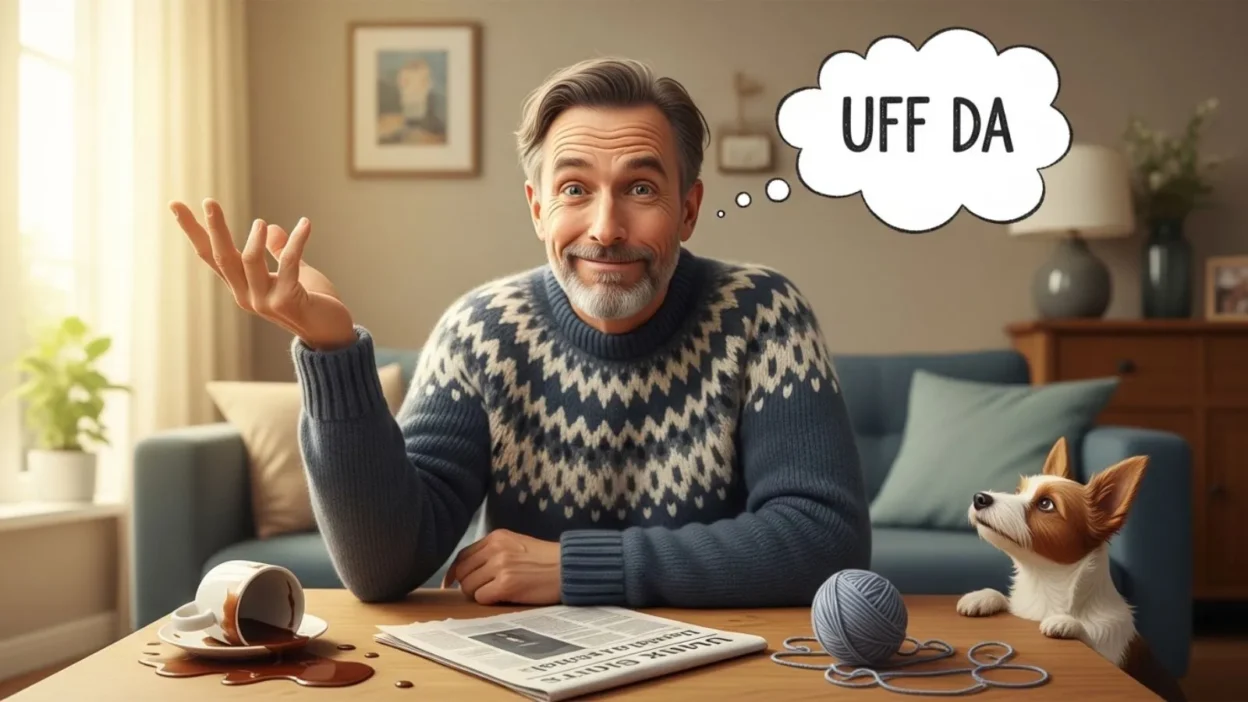
Its endurance is largely due to its versatility and emotional clarity. “Uff Da” can express minor annoyances like spilling coffee, exasperation when chores pile up, or even awe at a breathtaking view. Over time, it became more than just a casual remark—it evolved into a cultural symbol, representing the humor, humility, and practicality that Scandinavian immigrants valued.
Even today, linguists recognize “Uff Da” as an interjection, similar to “oh no” or “wow,” but with a unique regional flavor. Its history highlights not only the journey of a word across continents but also the preservation of cultural identity through language.
What Does Uff Da Actually Mean?
While “Uff Da” may seem simple, its meaning is surprisingly flexible. At its core, it’s an interjection used to express a range of emotions, depending on tone, context, and even facial expression. Most commonly, it conveys mild frustration, surprise, exhaustion, or relief. For example, someone might say “Uff Da!” after slipping on an icy sidewalk, spilling coffee, or realizing they forgot something important. Said with a smile, it can indicate amusement or delight; said with a groan, it shows exasperation.
Unlike some expressions that are straightforward, “Uff Da” thrives on nuance. Linguists describe it as an emotionally rich term that captures what might otherwise require several words to explain. In many ways, it functions as a linguistic shortcut for expressing reaction without overcomplicating speech.
This versatility has helped “Uff Da” endure across generations, especially in Scandinavian-American communities. It also gives the phrase a playful quality that makes it popular online in 2026, appearing in memes, social media posts, and everyday texts. Comparing it to English interjections like “oh no,” “wow,” or “yikes” helps explain its use, but none fully capture the unique cultural flavor that Uff Da carries. Ultimately, it’s more than just words—it’s a small but powerful piece of cultural expression that communicates feeling quickly and memorably.
How to Use Uff Da in Conversation
One of the reasons “Uff Da” has remained popular is its versatility in conversation. It can be used in a variety of everyday situations, making it a practical expression for anyone familiar with it. Typically, it appears in response to something unexpected, annoying, or mildly overwhelming. For example, if you accidentally drop your keys, you might say, “Uff Da! I can’t believe I did that!” Similarly, seeing a snowstorm outside might prompt a cheerful, “Uff Da! That’s a lot of snow!”
Tone and context are key. When said with a smile or chuckle, “Uff Da” conveys amusement or lighthearted surprise. When said with a groan or sigh, it communicates frustration, exhaustion, or mild annoyance. This flexibility is what makes it so charming—it’s a phrase that can fit almost any emotional situation without feeling overdramatic.
Scandinavian-American communities often use “Uff Da” as a way to express humility or understated emotion. It’s rarely meant to exaggerate feelings but rather to acknowledge them in a relatable, simple way. Even outside these communities, the phrase can be a fun addition to casual conversation, signaling cultural awareness and a sense of humor.
For online or social media use, pairing “Uff Da” with a relatable image, meme, or caption amplifies its effect. Whether in text messages, social posts, or face-to-face chats, knowing when and how to use “Uff Da” can make your reactions feel natural, humorous, and culturally authentic.
Uff Da in Popular Culture
In recent years, “Uff Da” has moved beyond its Scandinavian-American roots and become a recognizable part of popular culture, especially online. Memes, social media posts, and viral content often feature the phrase to convey humor, mild frustration, or surprise, making it relatable to audiences even outside the Midwest. From funny images of snowy winters to relatable everyday mishaps, “Uff Da” is frequently used to add personality and emotion to digital communication.
Merchandise has also embraced the phrase. Mugs, t-shirts, bumper stickers, and even home décor often feature “Uff Da”, sometimes paired with humorous graphics or local references to snow, fishing, or Midwestern life. This commercial adoption reflects its charm and the way it resonates with people who appreciate regional identity and cultural nostalgia.
Television shows, movies, and books that explore Scandinavian-American life also occasionally include “Uff Da”, highlighting its role as a linguistic marker of heritage. Even marketing campaigns in the Midwest sometimes incorporate the phrase to connect with local audiences on a personal level.
Part of its popularity lies in its simplicity and emotional clarity. Unlike longer expressions or idioms that can be misinterpreted, “Uff Da” instantly communicates feeling. Its adaptability in humor, storytelling, and social media ensures that this small but meaningful phrase continues to thrive in 2026, connecting new generations with the culture and history it represents.
Linguistic Analysis of Uff Da
From a linguistic perspective, “Uff Da” is classified as an interjection—a word or phrase used to express emotion rather than convey specific meaning. What makes it unique is its cultural and emotional depth. Unlike standard interjections such as “oh no” or “wow,” “Uff Da” carries a nuanced combination of surprise, frustration, relief, or delight, often influenced by tone, context, and body language.
Its phonetic simplicity—just two short syllables—makes it easy to say and versatile across situations. Linguists note that expressions like “Uff Da” are examples of paralinguistic communication, meaning they convey emotion as much through sound and context as through words themselves. This is why a single utterance can communicate exhaustion after a long day or excitement at seeing something impressive.
Culturally, “Uff Da” reflects Scandinavian values such as understatement, humor, and emotional restraint. In communities where overreaction is discouraged, the phrase allows people to express feelings in a socially acceptable way. Its brevity and clarity make it a practical and relatable interjection that has endured for generations.
The phrase’s adoption beyond its original region demonstrates how linguistic expressions can evolve while maintaining cultural identity. In 2026, “Uff Da” continues to thrive both in speech and online communication, proving that a simple interjection can carry complex emotion and preserve a cultural heritage in just two syllables.
Uff Da in Regional Identity
“Uff Da” is more than just a fun phrase; it is a key marker of regional and cultural identity, especially in Scandinavian-American communities. In states like Minnesota, North Dakota, and Wisconsin, the expression is woven into daily life, reflecting the heritage and values of the Norwegian and broader Scandinavian immigrants who settled these areas. Saying “Uff Da” signals a connection to shared culture, humor, and understanding that has been passed down through generations.
For many, using “Uff Da” is a subtle way to show belonging and pride. It represents humility, practicality, and a sense of humor—traits that Scandinavian immigrants valued and that still characterize these communities today. You might hear it at local festivals, community gatherings, or even in casual conversations, where it functions as both a social cue and a linguistic tradition.
The phrase also strengthens communal identity online. Regional memes, social media posts, and humorous content often feature “Uff Da”, helping residents celebrate their shared culture even if they live far from their ancestral communities. Beyond its humorous side, it becomes a symbol of regional pride, reminding people of their roots, the challenges their ancestors faced, and the resilient, practical approach to life that defines Scandinavian-American culture.
In short, “Uff Da” is not only a reaction but also a cultural emblem, linking emotion, humor, and heritage in a way that few other expressions can. It’s a linguistic bridge between the past and present, connecting generations through a simple, memorable phrase.
Fun Facts About Uff Da
Beyond its everyday use, “Uff Da” is packed with fun and interesting facts that make it a unique part of language and culture. For starters, the phrase doesn’t have an exact English equivalent. Depending on the situation, it can mean anything from “oh no” and “wow” to “ugh” or even “phew,” which makes it incredibly versatile. Its flexibility is part of what makes it so enduring and beloved.
Did you know that “Uff Da” has inspired its own merchandise? From coffee mugs and t-shirts to bumper stickers and home décor, the phrase has become a symbol of regional pride. Some local businesses even use it in marketing campaigns to connect with customers who share Scandinavian-American roots.
Another fun fact is that “Uff Da” often pops up in social media and memes. Whether it’s reacting to a snowy winter, a minor mishap, or a funny story, the phrase has become a shorthand for expressing emotion online, making it relevant even to younger generations.
Interestingly, “Uff Da” can also be adapted for humorous exaggeration. For example, adding extra syllables like “Uff-da-da” or “Uff-da-oh-no” can amplify the reaction and add a playful twist. This creativity shows how the phrase continues to evolve while staying true to its roots.
All in all, “Uff Da” is more than a simple interjection—it’s a versatile, culturally rich expression that combines humor, emotion, and heritage in just two small syllables.
Why Uff Da is Popular Online in 2026
In 2026, “Uff Da” has experienced a surprising resurgence online, proving that this humble Scandinavian-American expression still resonates today. Social media platforms, memes, and viral content have introduced it to a wider audience, making it more than just a regional phrase. Its simplicity and emotional versatility allow it to convey frustration, surprise, humor, or relief in a way that is quick, relatable, and often hilarious.
Memes are one of the key drivers of Uff Da’s online popularity. People use it to react to everyday mishaps, unexpected news, or humorous situations. For instance, a snowy winter post might feature the caption, “Uff Da! Another foot of snow?” instantly connecting with audiences who understand both the weather struggle and the cultural reference. Its brevity makes it ideal for captions, tweets, or text messages, where quick emotional expression is key.
Influencers, content creators, and brands have also embraced Uff Da, incorporating it into marketing campaigns, online humor, and regional storytelling. By doing so, they tap into a sense of nostalgia while appealing to modern audiences who appreciate quirky, authentic expressions.
The phrase’s growing popularity online highlights how regional language can transcend geography. What started as a Scandinavian immigrant expression is now a fun, relatable way for people across the U.S.—and even globally—to convey feelings, laugh at shared experiences, and celebrate cultural heritage, proving that Uff Da is timeless, adaptable, and perfectly suited for 2026’s digital culture.
How to Incorporate Uff Da into Daily Life
Using “Uff Da” in daily life is easier than you might think, and it adds a touch of humor, relatability, and cultural flair to everyday situations. The key is understanding its versatility—Uff Da can express frustration, surprise, relief, or amusement, depending on your tone and context.
Start by using it in small, relatable scenarios. For example, when you spill coffee, drop your keys, or forget something important, a simple “Uff Da!” can convey your reaction in a lighthearted way. Similarly, it works for positive surprises: seeing a beautiful sunset or an unexpectedly good outcome could also be greeted with a cheerful “Uff Da!”. Its charm lies in its brevity and emotional clarity.
Uff Da also works well in digital communication. Use it in text messages, social media captions, or memes to react to everyday mishaps or funny situations. It adds personality to your posts and can make your content feel more authentic and relatable.
Incorporating Uff Da at work or home can be subtle. For example, lightly commenting “Uff Da” after a long meeting or during a shared minor inconvenience can foster camaraderie and humor without overdoing it.
Finally, don’t be afraid to get creative. Some people playfully extend the phrase—like “Uff-da-da” or “Uff-da-oh-no”—to exaggerate reactions, making it both expressive and fun. By using Uff Da thoughtfully, you can communicate emotions efficiently while celebrating cultural heritage.
FAQs
1. What does Uff Da mean?
Uff Da is a Scandinavian-American interjection used to express surprise, frustration, exhaustion, or relief. Its meaning varies depending on tone and context, making it a flexible and emotionally rich expression.
2. Where does Uff Da come from?
The phrase originates from Norway and was brought to the United States by Scandinavian immigrants in the 19th and 20th centuries. It became especially common in the Midwest, including Minnesota, North Dakota, and Wisconsin, where many Norwegian-Americans settled.
3. Can non-Scandinavians use Uff Da?
Yes! While it carries cultural significance, anyone can use it in casual conversation or online. However, understanding the context and tone is important to avoid miscommunication.
4. How do you pronounce Uff Da?
It is pronounced exactly as it’s spelled: “Uff” rhymes with “stuff,” and “Da” sounds like “duh.” Saying it naturally with emotion conveys its meaning more effectively than stressing each syllable.
5. Are there similar phrases in English?
Similar expressions include “oh no,” “wow,” “yikes,” or “ugh,” but none fully capture the cultural nuance and versatility of Uff Da.
6. How can I use Uff Da online?
Use it in social media captions, memes, or text messages to react to funny, frustrating, or surprising situations. Adding humor or exaggeration can make your posts relatable and entertaining.
7. Is Uff Da still popular today?
Absolutely! In 2026, Uff Da continues to thrive both in the Midwest and online, appearing in memes, merchandise, and casual conversation as a fun, culturally rich expression.
Conclusion
“Uff Da” is more than just a quirky expression it’s a cultural treasure that has traveled from Norway to the heart of the American Midwest and beyond.
Simple, versatile, and emotionally rich, this two syllable interjection can convey frustration, surprise, exhaustion, or delight, depending on how it’s used.
Its charm lies in its ability to communicate feeling quickly while reflecting the humor, humility, and practicality valued by Scandinavian American communities.
In 2026, Uff Da continues to thrive not only in conversation but also online, appearing in memes, social media posts, and even merchandise.
If you’re a Midwestern local, a language enthusiast, or just someone looking for a fun way to react to life’s little surprises, learning the meaning of Uff Da adds both personality and cultural insight to your vocabulary.
By incorporating it into daily life, you can celebrate heritage, connect with others, and express yourself in a simple, memorable way just two small syllables, packed with emotion and charm.