Teasing is a word we hear often, yet many people struggle to understand its true meaning. Sometimes teasing feels playful and friendly, while other times it can sound rude or even hurtful.
This confusion is exactly why learning the teasing meaning is important. In simple terms, teasing involves making light remarks or comments to provoke a reaction usually humor, attention, or emotional response.
However, the intention behind teasing and how it is received can completely change its impact. In everyday conversations, teasing can strengthen friendships, create emotional closeness, or add fun to interactions.
On the other hand, when boundaries are ignored, the same teasing can cause discomfort or emotional harm. This article explores the full meaning of teasing, explaining how it is used in daily life, relationships, and social behavior.
By understanding the different types of teasing and the signals behind them, you’ll be able to recognize when teasing is harmless and when it crosses the line.
What Is Teasing? (Simple Definition)
Teasing is a form of communication where someone makes a remark, joke, or comment to provoke a reaction from another person. In its simplest form, the teasing meaning refers to lightly poking fun at someone, often in a playful or humorous way. Teasing can involve words, tone of voice, facial expressions, or even gestures, and it usually depends heavily on context. Unlike straightforward jokes, teasing often targets a specific person or situation to create a response such as laughter, surprise, or emotional engagement.
At its core, teasing is not always negative. Many people use teasing to build connections, show familiarity, or express affection. Friends may tease each other to strengthen bonds, and couples often use teasing as a playful way to flirt or communicate closeness. In these cases, teasing is mutual and understood by both sides.
However, teasing becomes problematic when the intention or impact turns negative. If the comments embarrass, belittle, or repeatedly target someone’s insecurities, teasing can cause emotional discomfort. This is why understanding intent and reaction is essential to fully grasp the meaning of teasing. What feels harmless to one person may feel hurtful to another.
Another key aspect of teasing is consent—spoken or unspoken. Healthy teasing happens when both people are comfortable and able to laugh about it. When one person feels uncomfortable or disrespected, the teasing loses its playful nature. Overall, teasing is a nuanced social behavior that can be either positive or negative, depending on how, why, and when it is used.
Teasing Meaning in Daily Conversation
In everyday conversation, teasing is commonly used as a social tool to create humor, connection, or engagement. The teasing meaning in daily life usually involves light-hearted comments meant to spark laughter or a friendly reaction. Friends may tease each other about habits, preferences, or small mistakes, often without any harmful intention. In these situations, teasing works as a bonding mechanism that makes conversations feel more relaxed and personal.
Tone plays a crucial role in daily teasing. The same words can sound playful or insulting depending on how they are spoken. A smiling face, warm tone, or shared history often signals that teasing is meant kindly. Without these cues—especially in text messages or online chats—teasing can easily be misunderstood. This is why teasing sometimes causes confusion in casual conversations.
Cultural and social context also affect how teasing is interpreted. In some cultures, teasing is a normal way to show closeness, while in others it may be viewed as disrespectful. Personal sensitivity matters as well; what one person finds funny, another may find uncomfortable. Because of this, effective teasing requires awareness of boundaries and emotional cues.
Another important factor is balance. In healthy daily interactions, teasing is usually mutual and occasional. If one person is always the target, the teasing can begin to feel unfair or hurtful. Understanding these everyday dynamics helps clarify the true meaning of teasing and explains why it can either strengthen relationships or create tension. When used thoughtfully, teasing adds humor and warmth to conversations, but when misused, it can quickly damage communication.
Types of Teasing Explained in Detail
Teasing is not a single behavior; it appears in different forms depending on intent, tone, and relationship between people. Understanding the various types helps clarify the true teasing meaning and prevents misinterpretation. While some teasing builds connection, other forms can cause discomfort or emotional harm.
One common type is playful teasing, which is light, friendly, and mutual. This type often happens between close friends or family members and is meant to create laughter without hurting feelings. The target usually feels included rather than embarrassed.
Friendly teasing is similar but broader. It occurs in everyday social interactions and is often used to break the ice or make conversations more engaging. Friendly teasing respects personal boundaries and stops immediately if the other person shows discomfort.
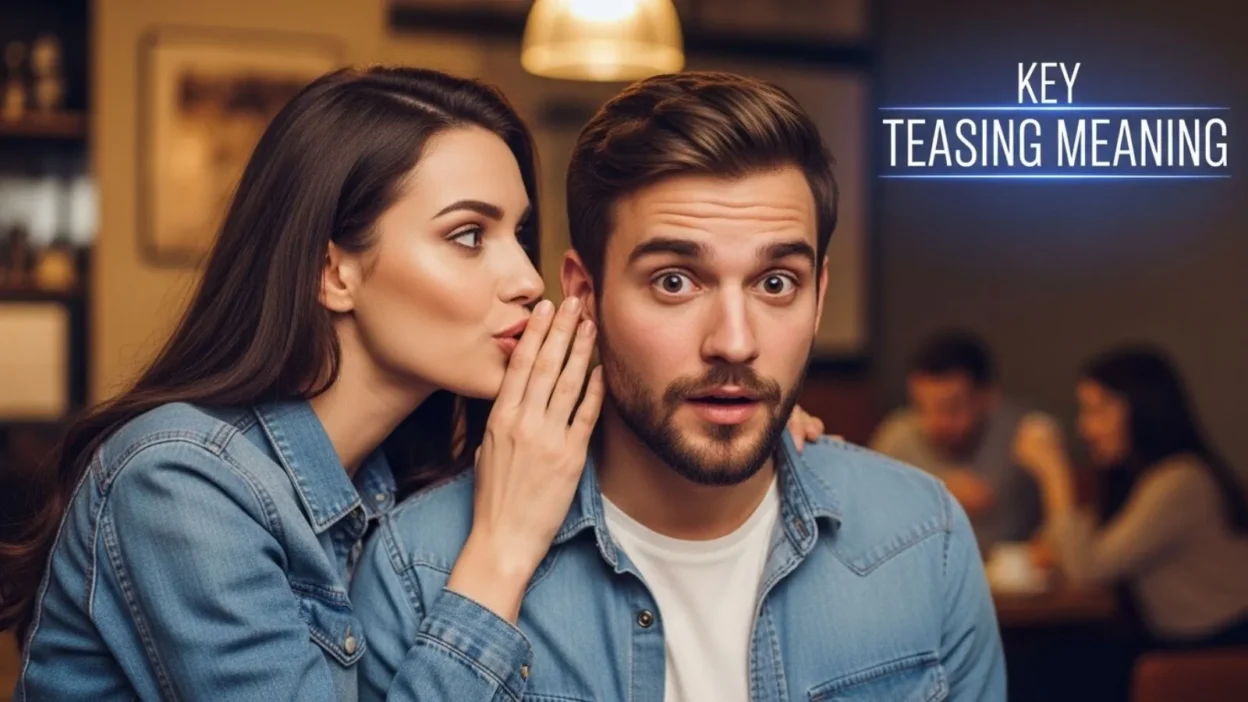
Another widely recognized form is romantic or flirty teasing. In this case, teasing is used to show interest or attraction. It often includes humor, compliments hidden in jokes, or gentle challenges. When done respectfully, flirty teasing can strengthen emotional connection, but it can feel awkward or offensive if boundaries are ignored.
On the negative side, hurtful teasing targets insecurities, appearance, or personal struggles. Even if disguised as humor, this form of teasing can lower confidence and cause emotional stress. Repeated negative teasing may feel similar to bullying, especially when there is a power imbalance.
Each type of teasing is defined not just by words, but by intention and reaction. Recognizing these differences allows people to use teasing positively while avoiding harm. Healthy teasing always leaves room for respect, understanding, and emotional safety.
Teasing vs Bullying Key Differences
Teasing and bullying are often confused because both involve making comments about someone, but their meaning and impact are very different. Understanding these differences is essential to fully grasp the teasing meaning and recognize when behavior becomes harmful. While teasing can be playful and mutual, bullying is intentional, repeated, and damaging.
The main difference lies in intent. Teasing is usually meant to be light-hearted or humorous, even if it occasionally misses the mark. Bullying, on the other hand, is designed to hurt, control, or humiliate another person. Bullies often target vulnerabilities such as appearance, background, or personal struggles.
Another key factor is power imbalance. Teasing typically happens between equals—friends, peers, or people with a comfortable relationship. Bullying often involves one person having more social, physical, or emotional power over the other. This imbalance makes it difficult for the target to defend themselves or feel safe.
Frequency also matters. Occasional teasing that stops when someone shows discomfort is generally harmless. Bullying is repetitive and continues despite clear signs of distress. The emotional impact of bullying is much more severe and can affect confidence, mental health, and well-being.
Finally, the reaction of the receiver is crucial. If both people can laugh and feel respected, it’s likely teasing. If one person feels scared, embarrassed, or hurt, the behavior has crossed the line. Recognizing these differences helps create healthier communication and prevents harmful behavior from being dismissed as “just teasing.”
Teasing vs Joking vs Mocking
Teasing, joking, and mocking are often used interchangeably, but they carry different meanings and emotional effects. Understanding these distinctions helps clarify the true teasing meaning and improves communication in social situations.
Joking is usually broad and impersonal. A joke does not target a specific individual and is meant purely for entertainment. For example, telling a funny story or a general humorous statement allows everyone to laugh without feeling singled out. Jokes are typically safe because they don’t rely on personal traits or sensitive topics.
Teasing, however, is more personal. It often focuses on a specific person, habit, or situation to create a reaction. Teasing can be playful and affectionate when done respectfully, especially among friends or loved ones. The key difference is that teasing walks a fine line—it depends heavily on tone, timing, and mutual understanding.
Mocking crosses that line. Mocking involves imitating or ridiculing someone in a way that makes them feel small or embarrassed. Unlike teasing, mocking lacks warmth and empathy. Its purpose is often to shame or assert superiority rather than to connect or amuse.
Another important difference is emotional impact. Joking rarely causes discomfort, teasing can be either positive or negative, and mocking almost always feels hurtful. The reaction of the person involved is the clearest indicator. If laughter is shared, it may be teasing or joking. If laughter comes at someone’s expense, it becomes mocking.
Psychological Meaning of Teasing
Teasing is not just a social behavior; it also has a strong psychological meaning. Psychologists view teasing as a way humans communicate emotions, test social boundaries, and build relationships. At its core, teasing allows people to express humor, playfulness, and even affection while gauging reactions from others.
From a developmental perspective, teasing begins in childhood. Kids often tease to explore social hierarchies, practice social skills, and understand emotional responses. It can be a tool for learning empathy—children notice how others react and adjust their behavior accordingly. In adults, teasing continues to serve similar purposes, helping maintain social bonds and intimacy.
The intention behind teasing is crucial. Psychologically, teasing can signal familiarity and trust when done in a positive way. Playful teasing can strengthen connections, encourage laughter, and promote a sense of belonging. For example, teasing among friends often creates inside jokes and shared memories, enhancing emotional closeness.
However, teasing can also have negative psychological effects when boundaries are ignored. Hurtful teasing may lead to embarrassment, anxiety, or lower self-esteem. People with high sensitivity or past negative experiences may perceive even mild teasing as threatening or critical.
Understanding the psychological meaning of teasing also helps differentiate it from bullying. While both involve comments about someone, teasing’s intent is usually benign and interactive, whereas bullying’s intent is harmful. Recognizing the mental and emotional dimensions of teasing allows individuals to navigate social interactions more effectively, using humor and connection without causing unintended harm.
Teasing in Relationships
Teasing plays a unique role in romantic and close relationships, offering both opportunities for connection and risks of misunderstanding. In relationships, the teasing meaning often extends beyond humor—it can signal affection, attraction, or emotional intimacy. Couples frequently use teasing to flirt, show playfulness, and maintain a sense of closeness. For example, joking about small habits or quirks can become a way to bond and create shared laughter.
When done respectfully, teasing in relationships strengthens trust and emotional connection. It can break tension during serious conversations, lighten moods, and reinforce a sense of partnership. Playful teasing often becomes a form of private communication, like inside jokes, that only the couple understands. This type of teasing shows familiarity, comfort, and affection, helping maintain a fun and dynamic relationship.
However, not all teasing in relationships is positive. Hurtful teasing—comments that target insecurities or repeatedly embarrass a partner—can damage self-esteem and create conflict. Even teasing meant as a joke can be misinterpreted if boundaries are unclear or if one partner is more sensitive. Effective communication is essential; partners should be aware of each other’s comfort levels and adjust teasing accordingly.
Healthy teasing in relationships relies on consent, mutual understanding, and emotional awareness. It is playful, light, and intended to connect rather than control. By recognizing the fine line between fun teasing and harmful remarks, couples can use humor to strengthen their bond without causing unintended emotional harm.
Teasing Meaning for Kids and Teens
Teasing is especially common among children and teenagers, and understanding its meaning in this context is crucial for parents, teachers, and caregivers. For kids, teasing is often a natural part of social development. It helps them explore relationships, test boundaries, and learn about emotions, empathy, and social norms. Through teasing, children discover what behaviors are acceptable, how others respond, and how to navigate friendships.
There are several forms of teasing among kids. Playful teasing happens when friends joke about minor habits or quirks, creating shared laughter and bonding. Friendly teasing often encourages interaction and helps shy children feel included. However, hurtful teasing—targeting appearance, abilities, or personal traits—can quickly cross the line into bullying, causing emotional distress or social isolation.
Teenagers experience teasing more intensely due to peer pressure and the desire to fit in. Humor and sarcasm may be common, but sensitivity varies, and a comment intended as playful can feel deeply hurtful. Understanding the intent behind teasing, as well as the reaction of the target, helps adults determine whether intervention is needed.
Parents and educators play a key role in guiding healthy teasing. Teaching children to respect boundaries, recognize emotional cues, and differentiate between playful and harmful teasing equips them with valuable social skills. Encouraging positive interactions helps kids use teasing constructively, strengthening friendships while preventing emotional harm. By understanding the psychological and social meaning of teasing for young people, adults can support healthy communication and emotional development.
How to Tell If Teasing Is Harmless or Hurtful
Teasing can be playful or harmful, and knowing the difference is key to understanding the teasing meaning. The main factor is intent versus impact. Harmless teasing is meant to be fun, lighthearted, or affectionate, while hurtful teasing targets insecurities or creates emotional discomfort. Observing reactions, context, and boundaries helps determine which type it is.
One sign of harmless teasing is mutual laughter. If both people can laugh together and feel respected, the teasing is likely playful. Body language also provides clues: smiles, relaxed posture, and joking tone indicate positive interaction. Harmless teasing is often occasional and balanced; no single person feels targeted repeatedly.
Hurtful teasing, by contrast, makes the recipient feel embarrassed, anxious, or belittled. Signs include frowning, withdrawing from the conversation, or showing visible discomfort. Hurtful teasing often focuses on sensitive topics like appearance, personal struggles, or abilities. It may also be repeated, making the target feel powerless or stressed.
Consent and relationship context matter as well. Even playful teasing can become hurtful if the person being teased does not want to participate. Respecting boundaries and listening to feedback is essential for maintaining healthy communication.
Finally, tone and medium play a role. Written teasing, such as texts or social media posts, can easily be misinterpreted because tone is absent. Overall, harmless teasing strengthens relationships, builds humor, and fosters connection, while hurtful teasing damages trust and self-esteem. Being aware of these cues helps navigate teasing effectively in any social interaction.
Examples of Teasing in Sentences
Seeing teasing in action helps fully understand the teasing meaning. Teasing can be playful, friendly, flirty, or even hurtful, and examples clarify these distinctions.
Playful teasing:
This is light-hearted and usually makes both people laugh.
- “You’re always late, maybe we should get you a calendar!”
- “Careful, don’t trip over that giant backpack again!”
- “I see someone’s been practicing their singing… in the shower?”
Friendly teasing:
Common among friends, it creates connection without hurting feelings.
- “Stop hogging all the snacks, you food thief!”
- “Did you really wear that shirt today?”
- “Don’t tell me you’re still struggling with that level in the game?”
Romantic or flirty teasing:
Couples or crushes use teasing to show affection or interest.
- “Trying to steal my fries again, huh?”
- “I think someone is trying too hard to impress me!”
- “You call that a dance move? Cute, but I can do better.”
Hurtful teasing:
Targets insecurities or personal traits and can be damaging.
- “No wonder nobody talks to you, you’re so awkward.”
- “You’ll never get that right, why even try?”
- “Wow, you look terrible in that outfit.”
The difference between playful and hurtful teasing lies in intent and reaction. Playful teasing makes both parties smile, while hurtful teasing causes discomfort or embarrassment. By studying these examples, readers can identify safe teasing, strengthen connections, and avoid unintentionally hurting others.
Synonyms and Related Words for Teasing
Understanding the teasing meaning also involves knowing its synonyms and related words. While teasing is unique, several words capture similar behaviors, each with slightly different connotations. Using the right term helps convey the correct intent in conversation or writing.
Playful synonyms for teasing:
- Joking – Making humorous remarks not meant to hurt anyone.
- Ribbing – Gentle, friendly teasing among peers.
- Bantering – Back-and-forth teasing that is witty and light-hearted.
- Poking fun – Teasing someone in a playful and non-harmful way.
Synonyms with caution (can be negative):
- Mocking – Imitating or ridiculing someone, often hurtful.
- Taunting – Meant to provoke or annoy, usually aggressive.
- Ridiculing – Making fun in a harsh or critical way.
Related concepts:
- Flirting – Light teasing to show romantic interest.
- Sarcasm – Using irony in a teasing manner; can be playful or cutting.
- Challenging – Teasing someone to test skills or provoke a reaction, often in sports or games.
It’s important to distinguish between these words because their impact varies. For example, ribbing or bantering usually strengthens social bonds, while mocking or taunting can damage relationships. Context, tone, and the target’s perception determine whether a word aligns with positive or negative teasing.
FAQs:
1. What does teasing mean in simple words?
Teasing is making light-hearted or playful remarks aimed at someone to provoke a reaction, usually laughter or attention. It can be friendly, romantic, or sometimes hurtful depending on intent and context.
2. Is teasing always bad?
No. Teasing is not always negative. Playful and friendly teasing can strengthen relationships, build bonds, and create humor. It only becomes harmful when it targets insecurities, is repeated, or causes emotional discomfort.
3. Can teasing show love or attraction?
Yes. Romantic or flirty teasing is a common way to show affection. Gentle jokes or playful comments can signal interest while creating a fun, engaging dynamic between partners.
4. How do you tell the difference between teasing and bullying?
Teasing is usually mutual, occasional, and light-hearted. Bullying is intentional, repeated, and hurtful, often targeting personal vulnerabilities or creating fear. The key difference is intent, impact, and frequency.
5. How should you respond to teasing?
Respond based on comfort level. Harmless teasing can be met with laughter or a witty comeback. Hurtful teasing should be addressed by setting boundaries, expressing discomfort, or walking away. Context, tone, and relationship matter.
6. Why is teasing often misunderstood?
Teasing is highly dependent on tone, body language, and context. Written messages or cross-cultural interactions can easily lead to misinterpretation, making harmless teasing appear offensive or mean-spirited.
7. Can teasing be used in educational or professional settings?
Yes, but cautiously. Friendly teasing can encourage engagement or lighten moods, but it must be respectful and never target sensitive traits or personal issues.
Conclusion:
Teasing is a complex social behavior that can be playful, friendly, romantic, or, at times, hurtful. Understanding the teasing meaning involves looking at intent, tone, context, and the reaction of the person being teased.
When done respectfully, teasing strengthens bonds, creates laughter, and adds warmth to conversations and relationships. It encourages social connection, emotional closeness, and even playful flirting.
However, when boundaries are ignored, teasing can become harmful, leading to embarrassment, stress, or damaged sel esteem.
Recognizing the difference between harmless and hurtful teasing is essential in everyday life, relationships, and interactions with children and teens.
By observing cues, respecting limits, and communicating openly, we can use teasing positively without causing unintended harm. Ultimately, teasing is a tool for connection, humor, and learning when approached with awareness, empathy, and care.

Oliver Wordsmith is the creative mind behind Punnery.com, a website full of clever puns, witty wordplay, and visual jokes. At Punnery.com, Oliver shares content that makes readers laugh, sparks creativity, and celebrates the playful side of language.