
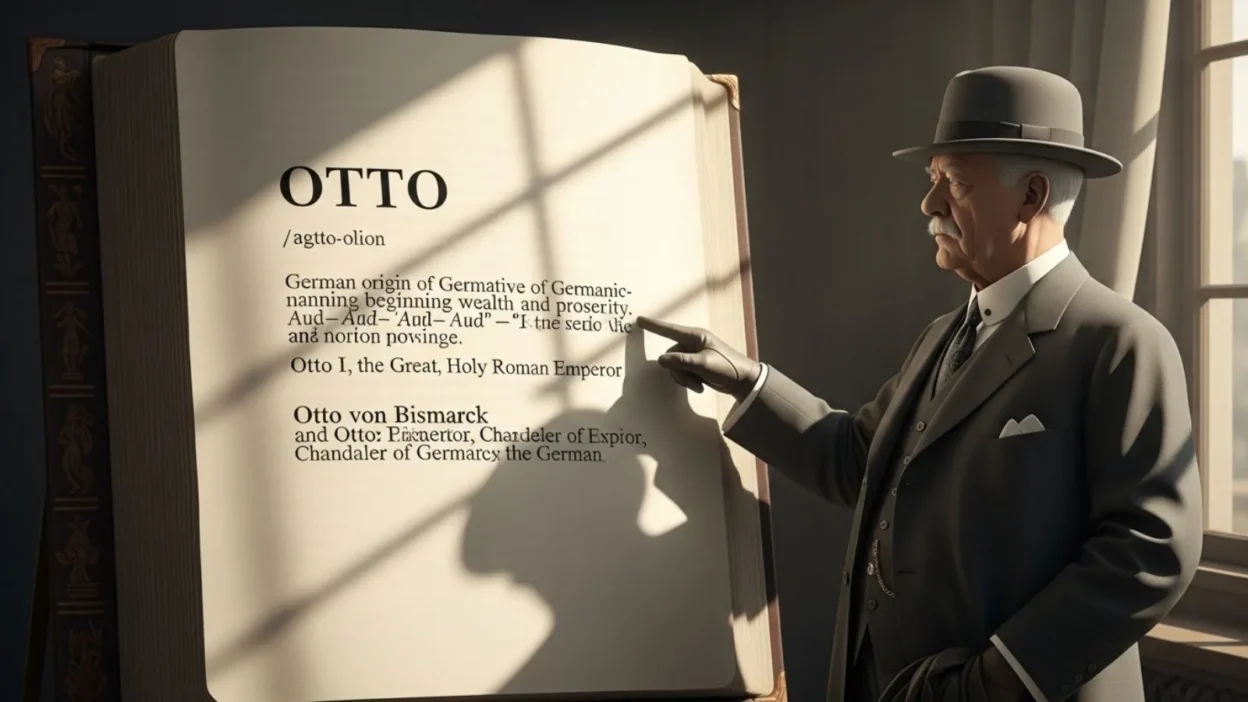
The name Otto is simple, classic, and rich with history, but have you ever wondered what it truly means? From its Germanic roots to its global popularity today, Otto meaning carries a story that spans centuries.
Often associated with strength, prosperity, and leadership, Otto is more than just a four-letter name it embodies tradition and timeless charm.
If you’re a parent searching for a unique yet meaningful baby name, a history enthusiast curious about the origins of names, or someone who loves exploring cultural symbolism, understanding Otto can be fascinating.
This guide dives deep into the origin, history, variations, and cultural significance of Otto, offering insights into famous personalities who carried this name and the traits commonly linked with it.
By the end, you’ll have a complete picture of why Otto remains a beloved and meaningful choice across generations.
Origin and History of Otto
The name Otto has a rich and fascinating history, rooted primarily in Germanic origins. Derived from the Old High German word “Audo” or “Odo”, Otto generally means “wealth,” “prosperity,” or “fortune”. Historically, it was a name that symbolized strength, status, and influence, making it popular among nobility and rulers in medieval Europe.
One of the most notable figures bearing this name was Otto I, also known as Otto the Great, who became the Holy Roman Emperor in the 10th century. His leadership and achievements helped solidify the name’s association with power and authority. Over time, Otto spread throughout Europe, particularly in Germany, Austria, and Scandinavia, gaining popularity as both a first name and a surname.
In the modern era, Otto has maintained a classic charm, recognized for its simplicity and strong historical roots. Unlike many contemporary names, it has remained consistent in form across generations and regions, though minor variations exist, such as Otho, Ottó (Hungarian), and Odo. Its enduring appeal lies in the combination of brevity, elegance, and the weight of historical significance.
Today, parents worldwide choose Otto not only for its meaning and history but also for its unique blend of tradition and modern simplicity. Understanding the origin of Otto gives insight into why this name continues to resonate centuries after it first appeared.
Cultural Significance of Otto
The name Otto carries deep cultural significance, particularly in European history and beyond. In German-speaking countries, Otto has long been associated with leadership, tradition, and prestige, thanks to its historical ties to kings, emperors, and influential figures. It’s a name that conveys authority and respect, often seen as a symbol of stability and reliability.
Beyond Germany, Otto has traveled across borders, finding a place in Scandinavian, Dutch, and even English-speaking cultures. In these regions, the name retains its classic charm while also embracing a modern simplicity that appeals to parents seeking a timeless yet unique baby name. The cultural footprint of Otto also extends to literature, cinema, and popular media. From historical novels portraying medieval leaders to contemporary films and TV shows, characters named Otto often embody wisdom, courage, or cleverness, reinforcing the name’s symbolic qualities.
Moreover, Otto reflects a cultural appreciation for meaningful, traditional names. Unlike many modern names that rely on trends, Otto connects the bearer to centuries of heritage. This cross-cultural appeal makes it a versatile choice—respected for its history yet simple enough to fit seamlessly into modern society.
In essence, the cultural significance of Otto lies not only in its historical legacy but also in its enduring resonance today. It’s a name that bridges the past and present, appealing to those who value heritage, meaning, and timeless elegance.
Meaning and Interpretation of Otto
The name Otto carries a powerful and positive meaning that has contributed to its enduring popularity. Rooted in Old High German, Otto is commonly interpreted to mean “wealth,” “prosperity,” or “fortune.” This association with abundance and success made it a favored name among nobility and influential families throughout European history. Beyond material wealth, Otto also symbolizes strength, leadership, and stability, reflecting qualities admired across generations.
In addition to its literal meaning, Otto holds symbolic significance in various cultural contexts. Names in Germanic tradition were often chosen for the virtues they embodied, and Otto’s association with power and prosperity made it a name of aspiration. Many believe that those named Otto may naturally exude confidence, resilience, and a sense of responsibility—traits historically linked to the name’s noble heritage.
On a personality level, Otto is often seen as a strong yet approachable name. Its brevity and clear pronunciation give it a friendly, modern feel, while its historical depth lends gravitas and respect. People with the name Otto are sometimes described as intelligent, dependable, and ambitious, carrying forward the name’s legacy of influence and distinction.
Whether chosen for a child, used in literature, or appreciated for its cultural weight, Otto meaning reflects more than words—it conveys character, heritage, and timeless appeal. Its combination of historical significance, symbolic richness, and modern simplicity ensures that Otto remains a meaningful and admired name today.
Famous People Named Otto
The name Otto has been carried by many influential figures throughout history, reinforcing its reputation for strength, intelligence, and leadership. One of the most notable is Otto von Bismarck, the 19th-century German statesman who unified Germany and became its first Chancellor. Bismarck’s strategic mind and political prowess made Otto a name synonymous with leadership and historical significance.
Another prominent figure is Otto Frank, the father of Anne Frank. His dedication to preserving his daughter’s diary and legacy has made the Otto name widely recognized and respected worldwide. Beyond history, Otto has appeared in various fields, including science, sports, and the arts. Otto Hahn, a German chemist, won the Nobel Prize in Chemistry for his pioneering work in nuclear fission, highlighting the name’s association with intellectual achievement.
In contemporary times, there are several notable Ottos as well. For instance, actors, musicians, and athletes have carried the name into popular culture, giving it a modern appeal while maintaining its historical gravitas. Characters in literature, movies, and TV shows named Otto often embody cleverness, resilience, or leadership, further enhancing the name’s symbolic value.
From medieval emperors to modern innovators, the people named Otto showcase a pattern of influence, achievement, and cultural significance. Choosing the name Otto connects one not only to its historical roots but also to a lineage of remarkable individuals, making it a name that continues to inspire respect and admiration across generations.
Variations and Nicknames of Otto
The name Otto has several variations and nicknames, reflecting its rich history and adaptability across different languages and cultures. In its original Germanic context, Otto sometimes appears as Odo or Audo, which were common forms in medieval Europe. These variations carry the same core meaning of “wealth” and “prosperity” while giving the name a slightly different historical flavor.
In other countries, the name has been adapted to fit local linguistic patterns. For example, in Hungary, the name appears as Ottó, while in Italy, historical records show variations like Otho. These subtle changes often preserve the original pronunciation while allowing the name to blend naturally with regional naming customs.
Nicknames for Otto are usually simple and affectionate, reflecting the name’s brevity. Common nicknames include Oti, Otie, and sometimes just O for a playful, modern twist. These diminutives make the name approachable and friendly, especially for children, while maintaining its classic charm.
Additionally, Otto can be paired creatively with middle or last names to create unique combinations that emphasize the name’s historical significance or modern simplicity. Whether used in full form or as a nickname, Otto’s variations maintain the essence of its meaning, ensuring the name’s legacy continues across generations.
Its flexibility in form and pronunciation, combined with meaningful nicknames, makes Otto a versatile choice for parents and a culturally rich name for anyone interested in history and symbolism.
Baby Naming Guide: Should You Name Your Child Otto?
Choosing a baby name is an exciting yet challenging task, and Otto offers a unique blend of history, meaning, and simplicity that makes it a strong contender. With its roots in Germanic tradition, Otto signifies wealth, prosperity, and leadership, making it a name with both symbolic and aspirational value. Parents seeking a classic name that stands out without being overly complicated often find Otto appealing.
One of the key advantages of Otto is its timeless charm. Unlike trendy names that may lose popularity over a few years, Otto has persisted for centuries, maintaining a balance of elegance and approachability. Its short, clear pronunciation ensures it works well in multiple languages and cultures, giving your child a name that is internationally recognizable.
Otto also carries positive associations with intelligence, resilience, and leadership, inspired by historical figures like Otto von Bismarck and cultural icons. Its simplicity allows it to pair easily with a variety of middle and last names, while nicknames like Oti or Otie add warmth and familiarity.
However, some parents may consider Otto uncommon in certain regions, which could lead to frequent spelling or pronunciation explanations. On the flip side, this uniqueness often becomes a strength, giving the child a name that is memorable and meaningful.
Overall, choosing Otto is more than picking a name—it’s embracing a legacy of history, culture, and timeless appeal. For parents who value meaning, elegance, and versatility, Otto remains an excellent choice in 2026.
Fun Facts and Trivia About Otto
The name Otto is more than just historically significant—it’s also full of fun facts and interesting trivia that make it memorable. For starters, Otto is a palindrome, meaning it reads the same forwards and backwards. This unique feature adds a playful and clever dimension to the name, appealing to those who love symmetry and linguistic quirks.
In addition, Otto has appeared in literature, films, and cartoons throughout history. Characters named Otto often embody cleverness, resilience, or leadership, reinforcing the name’s strong and positive associations. For example, in classic European literature, Otto is sometimes portrayed as a noble and intelligent figure, highlighting the name’s historical prestige.
Otto also appears in scientific and technological contexts. For instance, the Otto cycle, a fundamental concept in combustion engines, was named after Nikolaus Otto, a German engineer, linking the name to innovation and discovery. This shows that Otto is not just a personal name—it’s associated with global achievements in science and engineering.
Another interesting fact is the name’s enduring popularity across centuries. While many traditional names have faded, Otto has maintained its relevance due to its simplicity, elegance, and strong historical roots. It’s equally popular in Germany, Scandinavia, and even among English-speaking countries looking for unique yet meaningful names.
Finally, Otto is often chosen for its versatility in nicknames and variations, from Oti and Otie to Ottó and Otho, allowing parents to tailor the name to personal preference. With its rich history, clever design, and cultural footprint, Otto is a name that combines fun, meaning, and timeless charm.
FAQs About Otto Meaning
1. What does Otto mean?
Otto is derived from Old High German and generally means “wealth,” “prosperity,” or “fortune.” It is a name historically associated with leadership and nobility.
2. Is Otto a German name?
Yes, Otto has Germanic roots and has been a common name in Germany for centuries. It also spread to other European countries, including Austria, Scandinavia, and the Netherlands.
3. Is Otto a boy’s or girl’s name?
Traditionally, Otto is considered a boy’s name, though naming trends are increasingly flexible, and some parents may choose it for girls.
4. How popular is Otto today?
Otto remains moderately popular in Europe and is gaining attention in English-speaking countries due to its classic yet unique appeal. Its brevity and historical significance make it attractive for modern parents.
5. Can Otto be used as a nickname?
Yes, Otto is versatile. Common nicknames include Oti and Otie, which make it approachable for children while keeping the formal charm intact.
6. Are there variations of Otto in other cultures?
Indeed. Variations include Otho in Italy, Ottó in Hungary, and Odo in medieval Germany, all preserving the original meaning of wealth and prosperity.
Conclusion
The name Otto is a timeless choice that combines rich history, meaningful symbolism, and modern simplicity.
From its Germanic roots, where it signified wealth, prosperity, and leadership, to its enduring presence in literature, science, and popular culture, Otto has proven to be more than just a name it’s a legacy.
Its versatility, from nicknames like Oti and Otie to variations like Otho and Ottó, allows it to adapt across cultures while retaining its core meaning.
For parents seeking a name that is classic yet distinctive, Otto offers the perfect balance of elegance, strength, and charm.
Historical figures, famous personalities, and cultural references have all reinforced the name’s positive associations, making it a choice that carries both respect and admiration.
If for a child, a character in a story, or personal interest, understanding the Otto meaning provides insight into a name that continues to inspire and resonate across generations.