
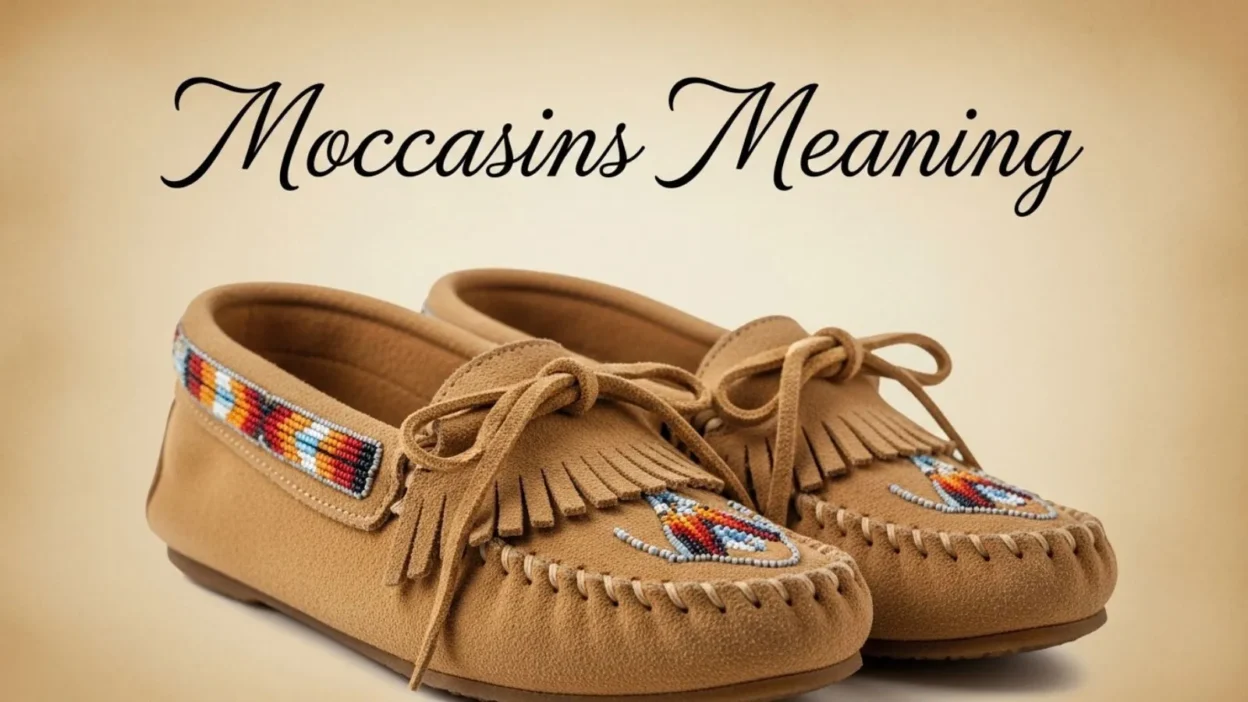
Have you ever slipped into a pair of moccasins and wondered about their deeper story? Many people search for moccasins meaning thinking it’s just about soft leather shoes, but the truth goes far beyond simple footwear.
The meaning of moccasins is closely tied to history, culture, craftsmanship, and identity.
These traditional shoes originated among Indigenous peoples of North America, where they were carefully handmade to suit different climates, terrains, and tribal traditions.
Understanding moccasins meaning helps us appreciate that they are not just a fashion trend but a symbol of heritage and connection to the earth.
From their practical design for silent movement to their decorative beadwork that tells cultural stories, moccasins represent both function and symbolism.
Today, they remain popular in modern fashion, yet their roots carry powerful historical significance. In this guide, we’ll explore what moccasins truly mean and why their legacy still matters today.
What Is the Literal Meaning of Moccasins?
To fully understand moccasins meaning, it’s important to begin with the literal definition of the word. A moccasin is a soft leather shoe traditionally made from deerskin or other animal hides. Unlike modern stiff-soled shoes, moccasins were designed to be flexible, lightweight, and comfortable, allowing the wearer to move naturally and quietly across different terrains.
The word “moccasin” comes from the Algonquian term makasin, which simply means “shoe.” The Algonquian languages were spoken by several Indigenous groups across North America, and the term was later adapted into English spelling and pronunciation. Over time, the word evolved into the modern form we use today, but its original meaning remained closely connected to traditional Indigenous footwear.
When people search for the meaning of moccasins, they often confuse them with loafers or other casual slip-on shoes. However, traditional moccasins are constructed differently. They are typically made from a single piece of leather stitched together at the top, forming a soft sole that molds to the wearer’s foot. This design made them practical for hunting, traveling, and everyday life.
The Historical Meaning of Moccasins
When exploring moccasins meaning, history plays a central role. Moccasins were originally created and worn by Indigenous peoples of North America centuries before European contact. They were not simply footwear but an essential part of daily survival, carefully designed to match the environment and lifestyle of each community.
Different regions developed different styles of moccasins. In forested areas, soft-sole moccasins allowed for quiet movement while hunting and walking through natural terrain. In rougher landscapes like the plains, some crews created harder soles for added durability and protection. This adaptability shows that the meaning of moccasins was deeply connected to practicality and environmental awareness.
The materials used were typically natural and locally sourced, such as deerskin, moose hide, or buffalo leather. Every pair was handmade, often by skilled artisans within the community. The stitching techniques, patterns, and decorations varied by cohort, turning each pair into a reflection of cultural identity.
Historically, moccasins also carried social significance. They could indicate tribal affiliation, marital status, or even personal achievements through decorative beadwork and embroidery. Children, adults, hunters, and elders all wore moccasins designed for their specific roles.
In this way, moccasins meaning goes beyond footwear—it represents survival, craftsmanship, cultural identity, and harmony with nature. Understanding this history allows us to appreciate the deep roots behind what many now see as a simple fashion item.
Cultural Significance of Moccasins
Understanding moccasins meaning requires looking beyond function and history to their powerful cultural significance. For many Indigenous communities across North America, moccasins are more than practical footwear—they are expressions of identity, heritage, and tradition. Each cohort developed distinct styles, stitching methods, and decorative patterns that reflected their environment and beliefs.
Beadwork, quillwork, and embroidery often carried symbolic messages. Colors and patterns could represent nature, spiritual beliefs, family lineage, or important life events. In this way, moccasins became wearable art, telling stories about the person who wore them and the community they belonged to. The meaning of moccasins, therefore, includes storytelling and cultural pride.
In many communities today, making moccasins remains an important tradition passed down through generations. Teaching younger members how to create them helps preserve cultural knowledge and strengthen identity. This continued practice reinforces that moccasins meaning is not something from the past—it is alive and meaningful in the present.
Spiritual and Symbolic Meaning of Moccasins
Beyond their practical and cultural roles, moccasins meaning also carries deep spiritual and symbolic significance.Walking in soft leather shoes that mold to the foot and allow quiet movement symbolizes a harmonious relationship with the earth. This connection to nature is central to their spiritual meaning, representing respect for the land and living in balance with it.
The design of moccasins also reflects ideas of humility and groundedness. Unlike rigid modern footwear, moccasins encourage the wearer to move naturally and feel the earth beneath their feet, fostering mindfulness and awareness. Some traditions view moccasins as protective items, guiding the wearer safely through life’s physical and spiritual paths.
Symbolically, moccasins can also represent life’s journey. The stitching, patterns, and decorations often tell stories of personal growth, community, and achievements. In some crews, gifts of moccasins carry blessings or honor milestones, making them sacred objects rather than mere clothing.
Even today, moccasins continue to inspire those seeking simplicity, mindfulness, or a connection to heritage. The symbolic meaning reminds us that footwear can be more than functional—it can carry stories, beliefs, and values passed down for generations.
Types of Traditional Moccasins and Their Meanings
To fully appreciate moccasins meaning, it’s important to explore the variety of traditional styles, as each type reflects the environment, culture, and purpose of the wearer. Different Indigenous crews across North America developed moccasins suited to their specific needs, blending practicality with cultural expression.
Soft-sole moccasins were common in forested regions. They allowed quiet movement through wooded areas, ideal for hunting and traveling without disturbing wildlife. Their flexible design helped the wearer feel the ground beneath their feet, enhancing balance and awareness.
They provided durability and protection while maintaining comfort, reflecting an adaptation to environmental challenges. The choice of leather and stitching reinforced strength and longevity.
Plains-style moccasins often featured decorative beadwork that symbolized tribal identity or personal achievements. In contrast, Eastern Woodland moccasins emphasized practicality with simpler designs, though still incorporating meaningful decorative elements.
Each type of moccasin illustrates how moccasins meaning goes beyond shoes: they are reflections of environment, culture, and purpose. From daily wear to ceremonial use, traditional moccasins serve as a testament to human ingenuity, cultural storytelling, and a deep connection to the natural world, preserving the heritage and values of the communities that created them.
Moccasins Meaning in Modern Fashion
While moccasins originated as traditional Indigenous footwear, their meaning has evolved in modern fashion. Today, when people think of moccasins, they often picture casual slip-on shoes, loafers, or designer versions rather than handcrafted cultural pieces. However, understanding the original moccasins meaning adds depth and respect to their continued use.
Modern moccasins retain some of the functional features of traditional designs. Their soft, flexible leather and comfortable fit make them ideal for everyday wear, while their simple slip-on style appeals to minimalists and casual fashion enthusiasts. Over time, fashion brands have adapted moccasins with added soles, stitching, and decorative elements, making them versatile for indoor and outdoor use.
Despite their popularity, it’s important to recognize that many modern versions lack the cultural symbolism and craftsmanship of traditional moccasins. The original designs carried identity, heritage, and spiritual significance, aspects that are often absent in mass-produced footwear.
Wearing moccasins today can also be a way to honor tradition, especially when supporting Indigenous artisans or purchasing authentic handcrafted pieces. By understanding their history, symbolism, and cultural importance, modern fashion enthusiasts can appreciate moccasins beyond their style appeal.
Moccasins vs. Loafers: Understanding the Difference
When exploring moccasins meaning, it’s common for people to confuse them with loafers. While they share some similarities, such as being slip-on shoes with a casual style, their origins, construction, and cultural significance are very different.
Traditional moccasins are soft leather shoes, often handcrafted from a single piece of hide, stitched at the top, and designed to mold naturally to the wearer’s foot. Moccasins often carry cultural, symbolic, and spiritual meaning, reflected in their decorative patterns, beadwork, or embroidery.
While some loafers mimic the moccasin shape or stitching, they usually lack the cultural context and traditional craftsmanship of authentic moccasins.
Understanding this difference is key to appreciating the full meaning of moccasins. Wearing genuine moccasins honors tradition and cultural heritage, whereas loafers serve more as a style statement or functional shoe without deep symbolic ties.
Additionally, moccasins can vary by cohort , region, and intended use, whereas loafers are largely uniform in design. Recognizing this distinction allows modern wearers to respect the history behind moccasins while enjoying their comfort and style.
Moccasins in Popular Culture
The meaning of moccasins has extended beyond traditional use into popular culture, where they often appear as symbols of heritage, comfort, and style. Movies, television shows, and fashion campaigns frequently feature moccasins to evoke a sense of connection to nature, simplicity, or historical authenticity. This exposure has introduced the term moccasins meaning to a wider audience, though often with less attention to their cultural roots.
On the fashion front, celebrities and influencers have embraced moccasins as stylish slip-ons or casual shoes, merging traditional design with modern trends. This crossover has helped keep moccasins relevant while also sparking curiosity about their origins and symbolism.
Music, literature, and art have also referenced moccasins as symbols of journey, grounding, and personal identity. For example, moccasins in storytelling or poetry may represent a character’s connection to their heritage or their path through life. This symbolic presence reinforces that moccasins are more than just shoes—they carry meaning across contexts.
However, it’s important to note that popular culture often simplifies or overlooks the deeper cultural and spiritual significance of moccasins. While exposure helps preserve interest, understanding moccasins meaning in its full historical and symbolic context allows us to appreciate their true value, ensuring that the cultural heritage they represent is respected even as they become a style statement in the modern world.
Cultural Appreciation vs. Cultural Appropriation
As moccasins became popular in mainstream fashion, understanding moccasins meaning also requires a discussion of cultural appreciation versus cultural appropriation. Authentic moccasins are deeply rooted in Indigenous history, culture, and spirituality, and wearing them without awareness can unintentionally diminish their significance.
Cultural appreciation involves respecting the origins and meaning of moccasins. This can include learning about the crews who created them, understanding the symbolism behind their designs, and supporting Indigenous artisans who craft traditional moccasins. By choosing authentic, handmade pieces, wearers honor the cultural heritage and preserve the skills and stories passed down through generations.
Cultural appropriation, on the other hand, occurs when moccasins are used purely as fashion items without acknowledgment of their history, symbolism, or the communities that created them. Mass-produced moccasins sold without cultural context or credit risk erasing their heritage and can be seen as disrespectful.
Recognizing the difference reinforces the true meaning of moccasins: they are more than stylish shoes—they are cultural artifacts that tell stories, honor ancestry, and symbolize connection to the earth. Modern fashion enthusiasts can enjoy moccasins while still showing respect by being informed, mindful, and intentional in their choices.
Ultimately, understanding and respecting the cultural significance of moccasins ensures that this historical footwear continues to be celebrated appropriately. By combining style with awareness, wearers can help preserve Indigenous heritage while enjoying the comfort and timeless appeal of moccasins in modern life.
Moccasins Meaning in Today’s Society
Today, the meaning of moccasins continues to resonate beyond their historical and cultural origins. While they are widely worn as casual or fashion footwear, their significance remains layered, combining comfort, craftsmanship, and heritage. For many, moccasins symbolize simplicity and a grounded lifestyle, reflecting a desire to connect with nature and traditions in a modern world.
The resurgence of interest in handmade, sustainable products has brought moccasins back into focus. Artisans who preserve traditional techniques keep the cultural stories and craftsmanship alive. Purchasing authentic moccasins from Indigenous makers not only honors their heritage but also supports local communities and the continuation of traditional skills. In this sense, moccasins are more than shoes—they are a bridge between past and present, connecting contemporary wearers to history.
Moccasins also carry symbolic meaning in modern mindfulness and wellness movements. Their soft soles encourage natural movement, promoting awareness and a sense of grounding with the earth. For some, wearing moccasins is a subtle way to embrace a slower, more intentional lifestyle, reminding us of the value of simplicity and respect for the natural world.
In contemporary fashion, moccasins have evolved into versatile shoes for both indoor and outdoor wear. Yet, by understanding the moccasins meaning, wearers can appreciate their deeper value—combining comfort, style, and cultural awareness. This blend of functionality, heritage, and symbolism ensures that moccasins remain meaningful in society, transcending their role as mere footwear and continuing as icons of tradition, craftsmanship, and identity.
Additional Frequently Asked Questions (FAQ) About Moccasins
1. What is the difference between moccasins and loafers?
Moccasins are traditional Indigenous footwear with soft soles and cultural significance, often handmade from a single piece of leather.
2. Why do moccasins have spiritual meaning?
Moccasins symbolize a connection to the earth and mindfulness. Their soft, flexible design encourages natural movement, grounding the wearer and reflecting values such as humility, respect for nature, and awareness of life’s journey.
3. Can anyone wear moccasins?
Yes, but it’s important to be mindful of their cultural significance. Purchasing authentic moccasins from Indigenous artisans and understanding their history shows respect and appreciation for their heritage.
4. Are moccasins still popular today?
Absolutely. Moccasins remain popular in modern fashion for their comfort, versatility, and style.
Conclusion:
In exploring moccasins meaning, it becomes clear that these shoes are far more than simple footwear.
From their origins in Indigenous North American cultures to their role in modern fashion, moccasins carry layers of historical, cultural, and spiritual significance.
They reflect craftsmanship, tradition, and a deep connection to the earth, while also serving as symbols of identity, heritage, and life’s journey.
Today, moccasins continue to inspire, offering comfort, style, and mindfulness, especially when worn with an understanding of their origins.
By supporting Indigenous artisans and honoring the stories behind each pair, we preserve the cultural legacy embedded in moccasins.
If appreciated for their functionality, artistry, or symbolism, moccasins remain timeless, reminding us that footwear can tell a story, connect generations, and carry meaning that transcends time.

Oliver Wordsmith is the creative mind behind Punnery.com, a website full of clever puns, witty wordplay, and visual jokes. At Punnery.com, Oliver shares content that makes readers laugh, sparks creativity, and celebrates the playful side of language.


