
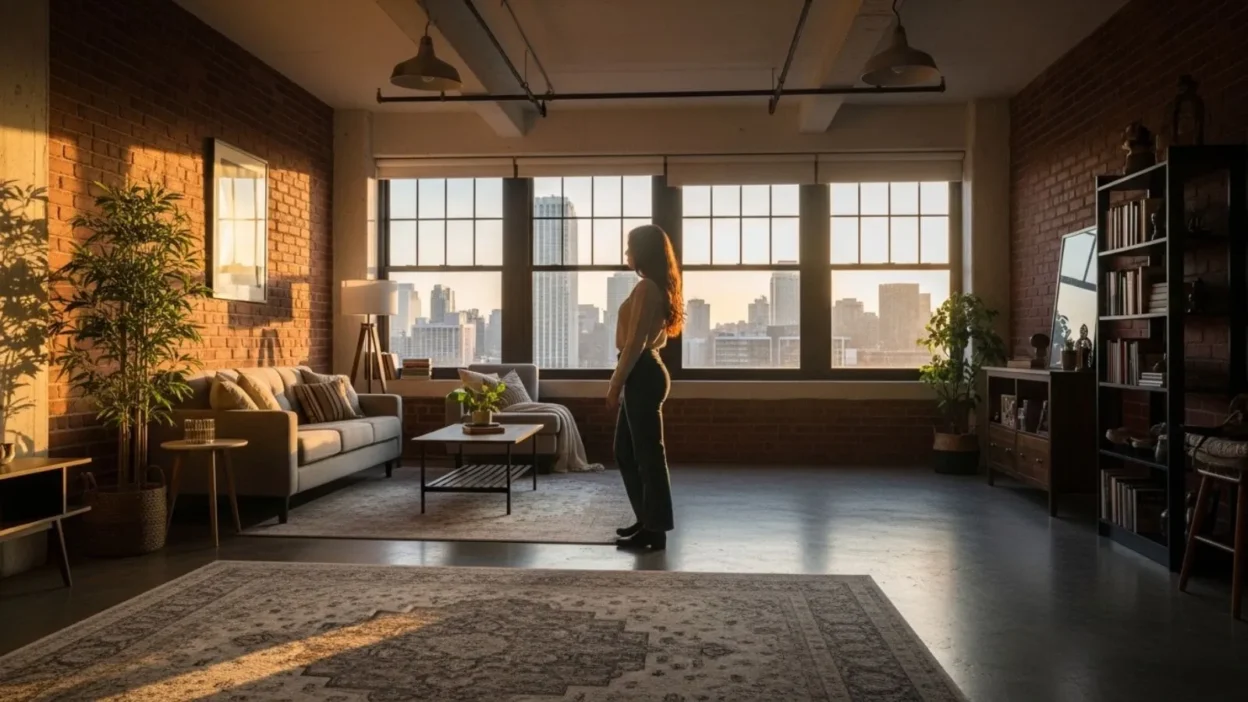
When you first hear the term “loft”, you might imagine a trendy apartment in a bustling city or a spacious attic under a sloped roof.
But what exactly does loft mean? Understanding this term goes beyond a simple dictionary definition it touches on architecture, interior design, and even lifestyle.
If you’re exploring real estate listings, dreaming of a modern urban apartment, or curious about converting unused attic space, knowing the true meaning of a loft helps you make informed choices.
From residential lofts with open layouts and high ceilings to attic lofts that transform storage areas into cozy living spaces, lofts offer versatility and style.
In this article, we’ll dive into the loft definition, explore different types, compare lofts with attics, and uncover design ideas that make lofts so appealing. By the end, you’ll have a clear picture of what a loft truly represents.
What is a Loft? (Definition & Origin)
A loft is generally defined as a large, open space located on an upper floor of a building. Traditionally, lofts were spaces just beneath the roof, often used for storage or work purposes. Over time, the meaning has expanded to include residential and commercial spaces characterized by high ceilings, open floor plans, and large windows. When people search for “loft meaning”, they’re often curious about how these spaces differ from ordinary apartments or attics.
The word “loft” has its roots in Old Norse and Middle English, where it referred to an upper story or attic space. Historically, lofts were practical—used to store grain, tools, or other household items. Today, lofts are associated with style and modern living, particularly in urban areas where old warehouses and factories are converted into loft apartments. These modern lofts maintain the open, airy feel of the original spaces while offering a trendy, functional home environment.
Lofts come in various forms, including residential lofts, attic lofts, and architectural lofts, each with unique characteristics. Residential lofts often feature exposed brick walls, industrial beams, and flexible layouts. Attic lofts involve converting unused roof space into livable areas. Architectural lofts are purpose-built with open designs that emphasize light, space, and connectivity.
Types of Lofts
When exploring the meaning of loft, it’s important to understand that lofts come in different forms, each serving unique purposes and offering distinct living experiences. Broadly, lofts can be categorized into residential lofts, attic lofts, and architectural lofts.
Residential lofts are perhaps the most well-known. These spaces are often converted from old warehouses, factories, or commercial buildings into modern apartments. They feature high ceilings, large windows, open floor plans, and exposed structural elements such as beams and brick walls. Residential lofts are popular in urban areas, offering a spacious and stylish living environment for people who value both functionality and design.
Attic lofts refer to spaces located directly under the roof. Traditionally, attics were used for storage, but with renovations, they can be transformed into cozy lofts. These attic lofts often include sloped ceilings and creative layouts, making them perfect for bedrooms, studios, or private offices. Converting an attic into a loft maximizes space without the need for a full building extension.
Architectural lofts are purpose-built spaces designed to embody the loft aesthetic. Unlike converted spaces, these lofts are constructed with open plans, abundant natural light, and minimalist, industrial-inspired features. They are often found in modern homes or apartment complexes that emphasize loft-style interior design.
Understanding these different types of lofts helps you appreciate the versatility of the term “loft”, whether you’re looking at real estate listings, planning a renovation, or simply curious about this trendy architectural concept.
Loft in Interior Design
Beyond its structural meaning, a loft has become a major inspiration in interior design. When people search for “loft meaning”, many are looking for ideas on how to achieve that airy, open, and stylish aesthetic in their homes. Loft-style interiors emphasize spaciousness, openness, and industrial charm, often combining raw materials with modern finishes.
One of the defining features of a loft is the open floor plan. Unlike traditional homes divided into multiple rooms, lofts allow for flexible layouts where living, dining, and working areas flow seamlessly. Exposed structural elements, such as brick walls, wooden beams, or steel frameworks, add character and maintain the industrial feel that makes lofts unique.
Lighting also plays a key role. Large windows, skylights, and minimalistic fixtures maximize natural light, creating a bright, inviting space. Many designers complement this with neutral color palettes, clean lines, and simple furniture arrangements, which enhance the sense of space.
Loft interiors are also highly adaptable. Residents can use loft conversion ideas to add mezzanine levels, creative storage solutions, or multipurpose furniture, making the space functional without compromising style. Industrial elements like metal shelving, concrete floors, and reclaimed wood furniture often combine with modern décor for a trendy, urban feel.
If you’re designing a full loft apartment or simply aiming for a loft-inspired corner in your home, understanding the loft style can help you create a modern, open, and flexible living space that blends practicality with visual appeal.
Loft vs Attic Understanding the Difference
Many people searching for “loft meaning” often wonder how a loft differs from an attic. While both are located under the roof of a building, they serve different purposes and have distinct characteristics. Understanding the difference can help homeowners, renters, and designers make informed choices.
An attic is traditionally a space used for storage. It is often unfinished, with low or sloped ceilings, minimal insulation, and limited natural light. Attics were originally intended to store items like seasonal decorations, old furniture, or household supplies, rather than to serve as living spaces.
A loft, on the other hand, is a usable, often stylish space. Lofts are characterized by high ceilings, open layouts, and abundant natural light, making them suitable for living, working, or entertaining. Residential lofts and architectural lofts are designed with comfort, style, and functionality in mind. Even when a loft is created by converting an attic, the space undergoes major renovations to make it livable, including insulation, flooring, and often large windows.
The difference also extends to design. Attics are usually hidden and utilitarian, whereas lofts are intentionally visible and aesthetically appealing. Features like exposed beams, brick walls, and industrial elements are hallmarks of loft interiors, creating an open and modern atmosphere.
Loft Conversion Ideas
Turning an unused attic or upper space into a functional loft is a popular way to maximize home space while adding style. Understanding loft meaning goes beyond definitions—it’s also about how these spaces can be creatively designed for modern living.
One of the most common loft conversion ideas is creating a bedroom or master suite. With sloped ceilings, skylights, and open layouts, an attic loft can become a cozy, private retreat. Adding built-in storage or shelves makes use of smaller or awkward areas while keeping the room uncluttered.
Another option is a home office or studio. Lofts provide natural light, quiet corners, and an inspiring environment for work or creative projects. Open layouts allow for flexible furniture arrangements, and minimalist design elements enhance productivity.
For families or entertainers, a loft can become a living or recreational area. Adding comfortable seating, a media center, and decorative elements like exposed beams or industrial-style lighting creates a stylish, multifunctional space.
When planning a loft conversion, practical considerations are essential. Proper insulation, ventilation, and lighting ensure comfort year-round. Sturdy staircases or ladders, safety features, and accessibility are also key elements.
Even small spaces can benefit from clever loft design ideas, like mezzanines, lofted beds, or modular furniture. Whether your goal is extra living space, a creative studio, or a cozy retreat, a loft conversion transforms previously unused areas into stylish and functional parts of your home.
Loft in Culture & Figurative Uses
While most people associate the word “loft” with architecture or apartments, it also has figurative and cultural meanings. Understanding the broader loft meaning helps capture its versatility in everyday language, literature, and lifestyle discussions.
In figurative language, “loft” often conveys height, ambition, or elevated status. Phrases like “lofty goals” or “lofty ambitions” suggest aspirations that are high, challenging, or noble. Similarly, someone may have a “lofty perspective,” implying they take a broader, more thoughtful view of a situation. These metaphorical uses reflect the original idea of lofts as elevated spaces—physically above the ordinary floor level—and transfer it to symbolic meaning.
Loft has also influenced culture and lifestyle trends. Urban loft apartments, for instance, are associated with creativity, modern living, and artistic expression. Many artists, designers, and writers have historically chosen lofts as studios or workspaces because of their open layouts, natural light, and industrial charm. This cultural connection reinforces the idea of lofts as spaces for innovation and inspiration.
In literature and media, lofts are often depicted as stylish, flexible spaces where characters live, work, or socialize. They convey a sense of modernity, freedom, and adaptability, bridging the gap between traditional homes and contemporary urban lifestyles.
By recognizing these figurative and cultural aspects, it becomes clear that the loft meaning is not limited to physical spaces. Whether used literally or metaphorically, lofts symbolize openness, creativity, and ambition, making the term rich in both practical and symbolic significance.
Pros and Cons of Loft Living
Living in a loft offers a unique lifestyle that blends modern design, open space, and flexibility. Understanding the loft meaning helps highlight why these spaces are both appealing and challenging for residents.
Pros of loft living include spacious, open layouts that allow for versatile furniture arrangements and multifunctional areas. High ceilings and large windows create a bright, airy atmosphere, enhancing the sense of freedom in the home. Lofts often feature distinctive architectural elements like exposed beams, brick walls, and industrial finishes, which add character and a stylish, contemporary feel. Additionally, lofts can be converted from unused spaces, making them an efficient solution for maximizing square footage without major construction. For urban dwellers, loft apartments are often located in trendy neighborhoods, close to amenities, culture, and work opportunities.
However, loft living also comes with some challenges. Open floor plans can reduce privacy, making it harder to create separate rooms or quiet areas. Heating and cooling large, open spaces may be more expensive or less efficient. Noise can carry more easily, both from neighbors and within the home itself. Storage may be limited unless creative solutions like built-in shelves or mezzanines are implemented. Finally, loft conversions require careful planning to meet building codes, insulation, and accessibility standards.
Overall, lofts offer a balance of style, functionality, and openness, but prospective residents should weigh both advantages and limitations. By understanding the pros and cons, you can decide whether loft living aligns with your lifestyle and space needs.
FAQs About Lofts
1. What is a loft apartment?
A loft apartment is a large, open living space often converted from old warehouses or industrial buildings. Key features include high ceilings, exposed beams, and expansive windows that allow natural light to fill the space.
2. Can any attic be converted into a loft?
Not all attics are suitable for loft conversion. Structural integrity, ceiling height, insulation, and accessibility are important factors. A professional assessment ensures the space can be safely transformed into a livable area.
3. How does a loft differ from a studio apartment?
While both have open layouts, a loft is typically larger and may feature multiple levels or elevated areas. Studios are usually single-level spaces without distinct zones for sleeping, living, or working.
4. What are the advantages of living in a loft?
Lofts offer spacious, flexible layouts, stylish interiors, and a modern aesthetic. They often allow for creative interior design and can accommodate multifunctional living spaces.
5. Are loft apartments expensive?
The cost of a loft depends on location, size, and design features. Urban lofts in trendy neighborhoods or converted industrial buildings often carry higher prices due to their style and demand.
6. How do I design a loft interior?
Focus on open layouts, maximize natural light, use industrial or minimalist décor, and incorporate multifunctional furniture. Creative storage solutions and mezzanine levels can enhance usability.
Conclusion
Understanding the true meaning of loft goes far beyond a simple dictionary definition.
Lofts are versatile spaces that can range from traditional attics to modern residential apartments, offering a blend of style, functionality, and openness.
If you’re considering a loft conversion, exploring urban loft apartments, or seeking inspiration for interior design, lofts provide opportunities to maximize space and creativity.
From residential lofts with high ceilings and open layouts to attic lofts transformed into cozy retreats, each type showcases the adaptability of lofts in real life.
Their cultural and figurative uses symbolizing ambition, elevation, or creativity add another layer of significance to the term.
By exploring design ideas, conversion tips, and lifestyle benefits, readers can appreciate both the practical and symbolic aspects of lofts.