
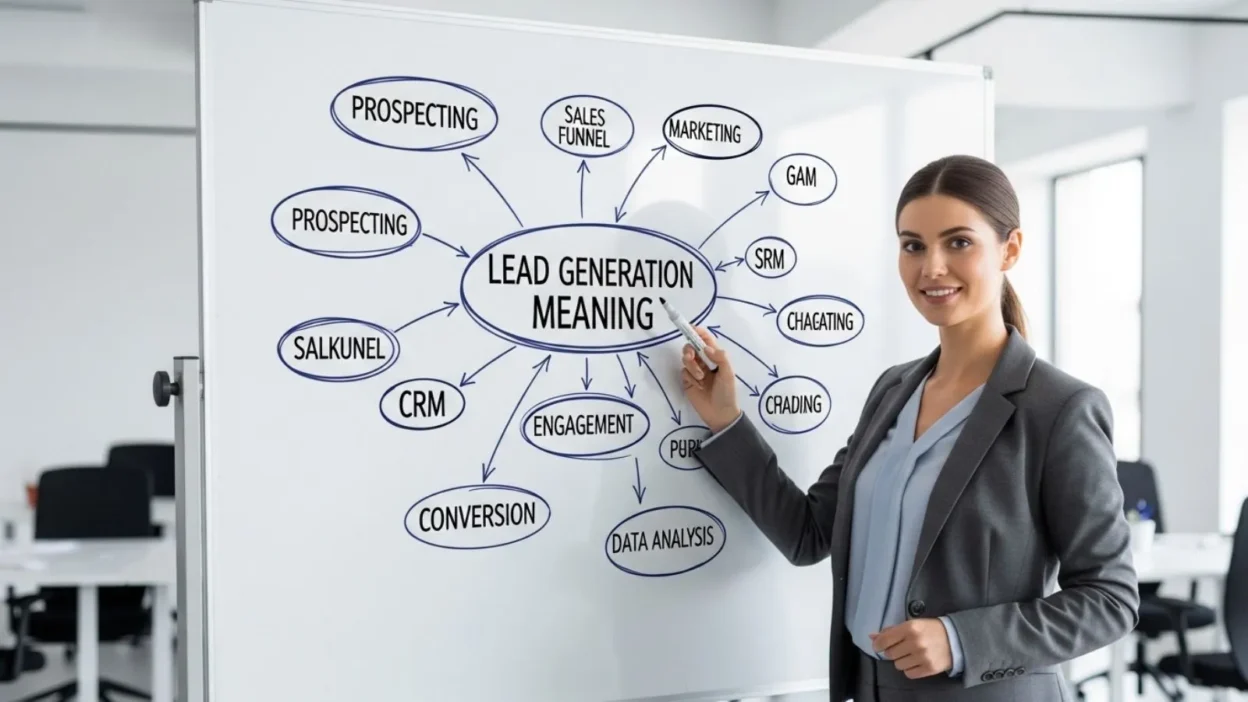
In today’s competitive business world, understanding lead generation meaning is more important than ever. Simply put, lead generation is the process of attracting potential customers and turning them into prospects who are interested in your products or services.
If you’re a marketer, entrepreneur, or small business owner, mastering lead generation can significantly boost your sales and growth.
With digital channels evolving rapidly, businesses now have countless ways to capture leads from social media campaigns and content marketing to email outreach and paid ads.
But at its core, lead generation is about connecting with the right audience at the right time and providing value that motivates them to take action.
By grasping what lead generation truly entails, you can build a consistent pipeline of high quality leads, nurture them effectively, and convert them into loyal customers, giving your business a competitive edge in 2026 and beyond.
What is Lead Generation?
At its core, lead generation is the process of attracting potential customers—also known as leads—and encouraging them to show interest in your business. It’s the first step in converting strangers into loyal customers and plays a critical role in building a strong sales pipeline. A lead can be anyone who provides their contact information, interacts with your business, or expresses interest in your product or service.
Leads are often categorized into three types: cold leads, who have shown minimal interest; warm leads, who engage with your content or offerings; and hot leads, who are ready to make a purchase. Understanding these distinctions helps businesses tailor their marketing and sales efforts effectively.
Lead generation is not just about gathering contacts—it’s about attracting the right audience. Modern businesses use a mix of strategies, including content marketing, social media campaigns, email outreach, SEO, webinars, and paid ads, to capture qualified leads. Unlike traditional marketing, which casts a wide net, lead generation focuses on building relationships and providing value to prospects, ensuring that the leads captured are more likely to convert.
By fully grasping the meaning of lead generation, businesses can streamline their marketing efforts, improve sales efficiency, and achieve sustainable growth. It’s not just a tactic—it’s a strategic approach that fuels long-term business success in today’s competitive market.
The Importance of Lead Generation
Understanding the importance of lead generation is essential for any business aiming for growth and long-term success. Without a steady flow of leads, even the best products or services can struggle to reach the right audience. Lead generation acts as the lifeline of your sales funnel, ensuring that your marketing efforts translate into real business opportunities.
One of the primary benefits of lead generation is that it helps businesses identify and target the right audience. By attracting potential customers who are genuinely interested in your offerings, you can focus your resources on nurturing leads that are more likely to convert, rather than wasting time on random prospects. This targeted approach not only improves conversion rates but also reduces marketing costs.
Lead generation also strengthens the alignment between marketing and sales teams. When both departments work together to attract, capture, and nurture leads, it creates a seamless journey for prospects—from initial interest to final purchase. This alignment increases efficiency, ensures consistent messaging, and ultimately boosts revenue.
Moreover, lead generation provides valuable insights into customer behavior and preferences. By tracking engagement, businesses can refine their strategies, optimize campaigns, and provide personalized experiences that build trust and loyalty.
Types of Lead Generation
Understanding the different types of lead generation is crucial for creating effective marketing strategies. Broadly, lead generation can be divided into inbound and outbound methods, as well as online and offline approaches, each serving a unique purpose in attracting potential customers.
Inbound Lead Generation focuses on attracting leads by providing value and building trust. This includes content marketing, social media campaigns, blogs, webinars, and search engine optimization (SEO). Inbound strategies work by drawing interested prospects to your business naturally, encouraging them to engage with your content and provide their contact information. This type of lead generation is highly effective for nurturing long-term relationships and targeting warm leads who are already interested in your offerings.
Outbound Lead Generation, on the other hand, involves reaching out directly to potential customers who may not yet know about your business. This can include cold calls, email outreach, direct mail, or advertising campaigns. While outbound methods often require more effort and resources, they can quickly generate leads and are particularly useful for B2B businesses targeting specific clients.
Online vs. Offline Lead Generation also plays an important role. Online strategies use digital channels like social media, email marketing, and landing pages to capture leads. Offline methods include networking events, trade shows, seminars, and referrals. Combining both approaches allows businesses to maximize reach and attract a diverse range of leads.
Lead Generation Process
The lead generation process is a structured approach that turns potential prospects into qualified leads and eventually into loyal customers. Understanding this process is crucial for businesses that want to optimize their marketing efforts and increase conversions.
Step 1: Identify Your Target Audience
The first step is understanding who your ideal customers are. Creating detailed buyer personas helps define demographics, interests, pain points, and purchasing behavior. Targeting the right audience ensures that your lead generation efforts are focused and effective.
Step 2: Create Valuable Offers
Once you know your audience, offer something valuable in exchange for their contact information. This could be an eBook, a free consultation, a webinar, discount coupons, or access to exclusive content. High-value offers encourage prospects to engage with your business willingly.
Step 3: Capture Leads
Next, use tools like landing pages, forms, chatbots, and subscription pop-ups to collect leads. Clear calls-to-action (CTAs) and easy-to-use forms are essential to maximize conversions.
Step 4: Nurture Leads
Not all leads are ready to buy immediately. Use email sequences, retargeting ads, and personalized content to guide them through the sales funnel. Nurturing builds trust and keeps your brand top-of-mind.
Step 5: Convert Leads into Customers
Finally, measure engagement, qualify leads, and pass them to the sales team for conversion. The goal is to turn interested prospects into paying customers efficiently.
Lead Generation Strategies
Implementing effective lead generation strategies is key to attracting and converting potential customers. In today’s competitive digital landscape, businesses must use a mix of tactics to reach the right audience and maximize conversions.
Content Marketing is one of the most powerful strategies. By creating blogs, eBooks, guides, videos, and infographics, businesses can educate and engage prospects while providing value. High-quality content encourages users to share information and provides an opportunity to capture leads through gated content or subscription forms.
Social Media Marketing is another vital approach. Platforms like LinkedIn, Facebook, Instagram, and TikTok allow businesses to connect directly with potential leads. Running campaigns, posting engaging content, or hosting live sessions can generate interest and drive traffic to lead capture pages.
Email Marketing remains a reliable method for nurturing leads. Sending personalized emails, newsletters, and follow-ups helps maintain engagement and guides prospects through the sales funnel. Automation tools make this process efficient and scalable.
Paid Advertising through Google Ads, social media ads, or display networks can target specific audiences and generate leads quickly. Businesses can use retargeting ads to re-engage users who have already shown interest in their products or services.
Networking and Partnerships also play a role in lead generation, particularly for B2B businesses. Attending industry events, webinars, and forming strategic alliances can attract qualified leads and expand reach.
Lead Generation Tools & Software
Using the right lead generation tools and software can make the process more efficient, accurate, and scalable. These tools help businesses capture leads, nurture them, and analyze performance to optimize campaigns.
Customer Relationship Management (CRM) Systems are essential for tracking and managing leads. Platforms like HubSpot, Salesforce, and Zoho CRM allow businesses to organize contacts, monitor interactions, and maintain a clear sales pipeline. CRMs also help segment leads based on behavior, making follow-ups more targeted.
Email Marketing Platforms such as Mailchimp, ActiveCampaign, and ConvertKit streamline lead nurturing. These tools enable automated email sequences, personalized campaigns, and performance tracking, helping businesses engage leads effectively over time.
Landing Page and Form Builders like Unbounce, Leadpages, and Elementor simplify lead capture. Businesses can create optimized landing pages with clear calls-to-action (CTAs) and forms that convert visitors into leads.
Analytics and Tracking Tools such as Google Analytics, Hotjar, and SEMrush provide insights into lead behavior, campaign performance, and traffic sources. This data allows businesses to refine strategies and focus on high-performing channels.
Social Media and Automation Tools like Hootsuite, Buffer, and LinkedIn Sales Navigator make managing campaigns easier, enabling businesses to schedule content, track engagement, and find prospects efficiently.
Common Challenges in Lead Generation
While lead generation is essential for business growth, it comes with its own set of challenges. Understanding these obstacles helps businesses implement better strategies and improve results.
1. Low-Quality Leads
Not all leads are equal. Attracting uninterested or unqualified prospects can waste time and resources. To overcome this, businesses should focus on targeted marketing and clearly define buyer personas, ensuring their campaigns reach the right audience.
2. Ineffective Targeting
Reaching the wrong audience reduces conversion rates and increases costs. Using data analytics, audience segmentation, and personalization can help refine targeting and attract leads who are more likely to engage.
3. Poor Follow-Up and Lead Nurturing
Even high-quality leads can be lost if follow-up is slow or inconsistent. Implementing automated email sequences, reminders, and CRM workflows ensures that leads are nurtured effectively, keeping them engaged until they’re ready to convert.
4. Lack of Alignment Between Marketing and Sales
When marketing generates leads but sales teams fail to follow up properly, potential customers can fall through the cracks. Promoting collaboration and clear communication between teams ensures leads are handled efficiently and conversion rates improve.
5. Measuring ROI and Performance
Without proper tracking, businesses may not know which campaigns are working. Using analytics tools to monitor metrics like cost per lead (CPL), conversion rates, and engagement helps identify high-performing strategies and optimize underperforming ones.
Metrics to Measure Lead Generation Success
Measuring the effectiveness of your lead generation efforts is crucial for optimizing strategies and maximizing ROI. By tracking the right metrics, businesses can understand what’s working, identify areas for improvement, and make data-driven decisions.
1. Number of Leads Generated
The most basic metric is the total number of leads captured. While quantity matters, it’s important to focus on quality over volume, ensuring that leads are relevant and have a high potential to convert.
2. Conversion Rate
This measures the percentage of leads that take a desired action, such as signing up for a newsletter, downloading content, or making a purchase. A high conversion rate indicates that your lead generation strategies effectively engage and motivate prospects.
3. Cost Per Lead (CPL)
CPL calculates how much it costs to acquire a single lead. By monitoring this metric, businesses can evaluate the efficiency of campaigns and optimize spending across channels.
4. Lead Source Performance
Tracking which channels produce the most leads—social media, email marketing, SEO, paid ads—helps allocate resources to the most effective platforms.
5. Lead Quality and Engagement
Metrics like email open rates, click-through rates, and time spent on landing pages indicate how engaged leads are. High-quality, engaged leads are more likely to convert into customers.
6. ROI of Lead Generation Campaigns
Ultimately, the goal is revenue growth. By comparing the cost of campaigns with the revenue generated from converted leads, businesses can measure the true impact of their lead generation efforts.
FAQs:
Q1: What is the difference between lead generation and sales?
Lead generation is the process of attracting and capturing potential customers, while sales focuses on converting those leads into paying customers. Lead generation creates the pipeline, and sales closes the deal.
Q2: How can small businesses generate leads effectively?
Small businesses can use strategies like social media marketing, content creation, email campaigns, and referral programs. Focusing on high-value offers and targeting the right audience ensures better-quality leads without overspending.
Q3: What are the best lead generation strategies in 2026?
In 2026, the top strategies include AI-powered personalization, interactive content, social media engagement, email automation, webinars, and influencer collaborations. Combining inbound and outbound approaches provides consistent lead flow.
Q4: How long does it take to see results from lead generation?
Results depend on the strategy and industry. Digital campaigns may start producing leads within days, while content marketing or SEO may take weeks or months. Regular analysis and optimization help accelerate results.
Q5: Which tools are most effective for lead generation?
Popular tools include CRMs like HubSpot and Salesforce, email marketing platforms such as Mailchimp, landing page builders like Leadpages, and analytics tools like Google Analytics. Integrating these tools ensures efficient lead capture, nurturing, and conversion.
Q6: How do I measure lead generation success?
Track metrics such as the number of leads, conversion rates, cost per lead (CPL), lead source performance, engagement rates, and ROI. These metrics help optimize campaigns and ensure quality leads are captured.
Conclusion
Understanding the meaning of lead generation is essential for any business looking to grow in 2026.
By attracting the right audience, capturing their interest, and nurturing leads through the sales funnel, businesses can create a consistent flow of potential customers.
Effective lead generation not only improves conversion rates but also strengthens marketing and sales alignment, ensuring resources are used efficiently.
Implementing a mix of strategies such as content marketing, social media campaigns, email automation, and paid advertising combined with the right tools and analytics, can significantly enhance results.
Businesses that track key metrics like conversion rates, cost per lead, and engagement can continually refine their efforts and maximize ROI.
Ultimately, mastering lead generation is about building relationships, providing value, and turning interest into loyal customers.
Start applying these strategies today to create a strong pipeline and set your business up for sustainable success in the competitive landscape of 2026.