
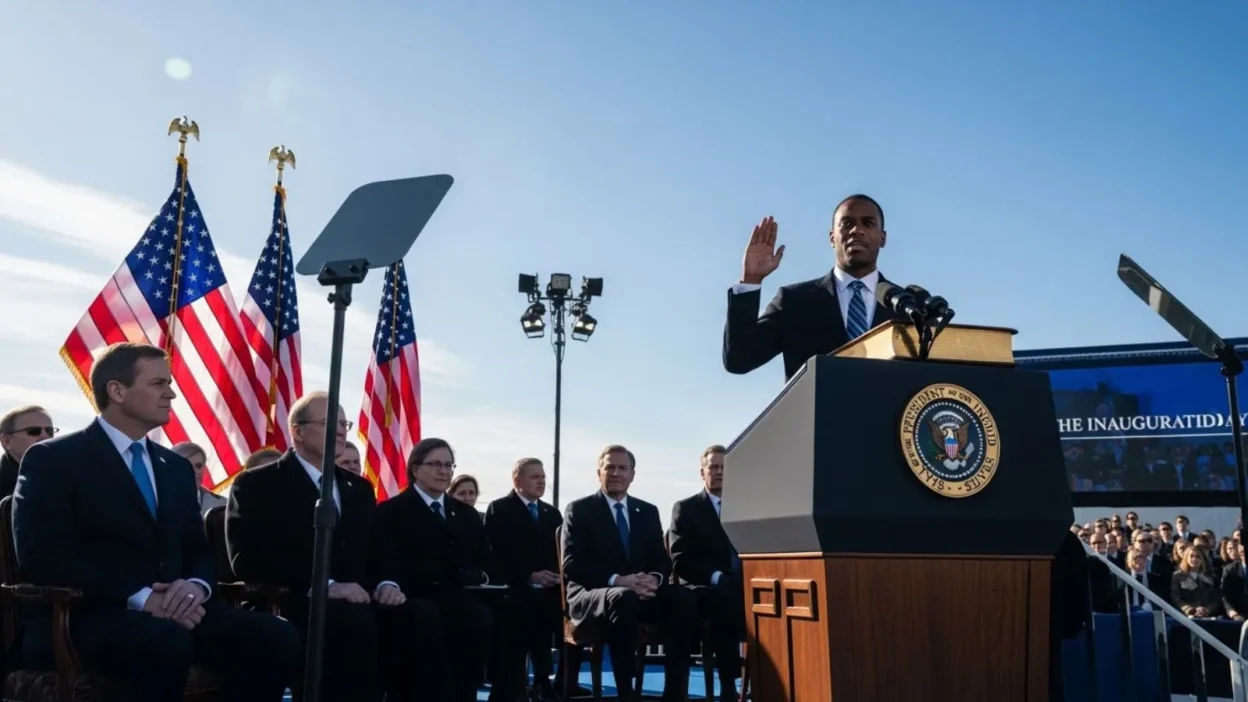
Every time a new leader takes office, a new museum opens, or a major project is launched, you’ll hear the term “inauguration” mentioned. But what does it really mean?
At its core, an inauguration is a formal ceremony that marks the official beginning of something significant a leader’s term, a public institution, or even a major event.
It’s not just a routine formality; inaugurations carry deep symbolism, combining tradition, authority, and celebration in a single event.
Understanding the inauguration meaning helps you appreciate why millions of people tune in to watch political swearing-ins, why ribbon-cuttings draw crowds, and why these ceremonies are carefully planned to reflect history, culture, and societal values.
From the solemnity of a presidential oath to the excitement of a cultural or corporate opening, inaugurations signal new beginnings and the promise of what’s to come.
Definition of Inauguration
The term “inauguration” refers to the formal ceremony or event that marks the beginning of an important office, role, project, or institution. In simpler terms, it’s the official start of something significant, often celebrated with rituals, speeches, or symbolic acts. While many people immediately associate inaugurations with politics—especially presidential or prime ministerial ceremonies—the term can also apply to cultural, religious, and corporate contexts.
In political settings, an inauguration usually involves a swearing-in ceremony, where the leader takes an oath of office to uphold laws and fulfill their responsibilities. This act symbolizes authority, accountability, and the peaceful transfer of power. In cultural or religious contexts, an inauguration might mark the opening of a temple, museum, or festival, emphasizing tradition and public recognition. Similarly, in the corporate world, inaugurations often involve ribbon-cuttings, launch events, or formal openings to signal the start of a business venture, project, or office space.
The key elements of an inauguration—formal recognition, ceremonial acts, and symbolism—remain consistent across these contexts. It’s not just a simple “start” but a meaningful acknowledgment of responsibility, tradition, or achievement. Understanding the inauguration meaning helps readers recognize why these events are more than just formalities; they are moments that carry historical, cultural, and social weight. Whether political, cultural, or corporate, inaugurations celebrate beginnings, inspire audiences, and mark milestones that are remembered for years to come.
Historical Origins of Inauguration
The concept of inauguration has deep historical roots, dating back thousands of years. In ancient civilizations, leaders and rulers were formally recognized through ceremonies that symbolized the transfer of power, authority, or responsibility. For instance, in ancient Rome, consuls and emperors underwent rituals that emphasized their official status and divine approval. Similarly, monarchs in Europe participated in coronation ceremonies, blending religious rites with political authority to legitimize their rule.
Over time, these ceremonial practices evolved, influenced by culture, religion, and governance. In medieval Europe, inaugurations often involved oaths, blessings, and symbolic acts like the presentation of a scepter or crown. These rituals were designed not only to mark the beginning of a leader’s reign but also to communicate stability, legitimacy, and continuity to the public.
The modern idea of inauguration, particularly in politics, developed significantly during the 18th and 19th centuries. In the United States, George Washington’s presidential inauguration in 1789 set the precedent for the swearing-in ceremony, public speeches, and processions that are now integral to the tradition. Around the world, other nations adapted their own versions, blending local customs with formal procedures to celebrate leadership transitions.
Beyond politics, inaugurations of public buildings, institutions, and cultural events also became widespread during the industrial and modern eras. These events were designed to mark new beginnings, celebrate achievements, and engage communities. Understanding the historical origins of inauguration shows that these ceremonies are not just formalities—they are traditions rooted in symbolism, authority, and societal values that have evolved over centuries.
Types of Inaugurations
Inaugurations are not limited to politics; they occur in many areas of life, each with its own purpose and symbolism. Understanding the types of inaugurations helps to see how this tradition connects leadership, culture, and society.
1. Political Inaugurations
The most widely recognized type is the political inauguration. This includes events such as presidential, prime ministerial, or governor swearing-ins. During these ceremonies, leaders take an oath of office, often followed by speeches, parades, and public celebrations. Political inaugurations signify the peaceful transfer of power, the legitimacy of authority, and a commitment to serve the public. Famous examples include the U.S. presidential inaugurations and similar ceremonies in countries like India and South Africa.
2. Cultural and Religious Inaugurations
In cultural and religious contexts, inaugurations mark the opening of temples, museums, festivals, or public monuments. These ceremonies often include traditional rituals, blessings, or performances. They symbolize community engagement, respect for tradition, and the celebration of a new beginning, helping societies preserve and honor cultural heritage.
3. Corporate and Institutional Inaugurations
Businesses, organizations, and institutions also hold inaugurations, such as office openings, product launches, or public service initiatives. Ribbon-cuttings, speeches, and media coverage are common features. These ceremonies build credibility, attract public attention, and celebrate milestones, emphasizing the importance of structured beginnings even in professional environments
Key Elements of an Inauguration Ceremony
An inauguration is more than just a formal start; it is a carefully planned event with symbolic and practical elements that convey meaning. Whether political, cultural, or corporate, certain components are almost always present, giving the ceremony its significance.
1. Oath or Pledge
In political inaugurations, taking an oath of office is central. This act signifies a commitment to uphold laws, fulfill responsibilities, and serve the people. The oath is often accompanied by a formal pledge in religious or cultural ceremonies, reinforcing accountability and integrity.
2. Speeches and Addresses
Inaugural speeches allow leaders, organizers, or key figures to share their vision, goals, and hopes for the future. These speeches inspire audiences, outline responsibilities, and set the tone for what lies ahead. In corporate or cultural inaugurations, speeches may focus on achievements, community benefits, or new opportunities.
3. Symbolic Acts
Many inaugurations feature symbolic gestures such as ribbon-cutting, unveiling plaques, or lighting lamps. These actions mark a tangible beginning and make the event memorable. Music, flags, or ceremonial objects also add layers of meaning and tradition.
4. Guests and Public Participation
Dignitaries, officials, community members, and sometimes the general public participate in inaugurations. Their presence emphasizes legitimacy, communal involvement, and shared celebration.
5. Rituals and Traditions
Religious, cultural, or national traditions often shape ceremonies. These rituals reflect societal values, historical continuity, and cultural identity.
Symbolism and Importance of Inaugurations
Inaugurations are rich in symbolism, representing more than just the start of a term, project, or institution. They convey authority, responsibility, and a sense of continuity, making them meaningful events for both participants and observers.
In political contexts, an inauguration symbolizes the peaceful transfer of power. When a leader takes the oath of office, it demonstrates a commitment to uphold laws, serve citizens, and respect democratic processes. The ceremony reassures the public that leadership transitions are orderly and legitimate, reinforcing trust in governance.
Beyond politics, inaugurations carry cultural and social significance. Opening a museum, temple, or festival through a ceremonial event highlights the preservation of tradition and community involvement. Symbolic acts such as lighting lamps, unveiling plaques, or cutting ribbons mark milestones and create lasting memories, connecting participants to a larger historical and cultural narrative.
Corporate inaugurations also hold symbolic value. Launching a new office, project, or product signifies growth, innovation, and progress. The ceremony celebrates achievements, motivates employees, and communicates credibility to stakeholders and the public.
Overall, inaugurations are important because they combine ritual, recognition, and symbolism. They mark beginnings, celebrate responsibility, and inspire confidence in the journey ahead. Whether in politics, culture, or business, understanding the inauguration meaning helps people appreciate why these ceremonies are observed with grandeur and care, reflecting both historical traditions and modern societal values.
Famous Inaugurations in History
Throughout history, certain inaugurations have stood out for their significance, symbolism, and global attention. These events are remembered not only for the people involved but also for the cultural, political, or social impact they had.
One of the most famous examples is George Washington’s presidential inauguration in 1789, the first in the United States. Taking the oath of office in New York City, Washington’s ceremony set the standard for future inaugurations, establishing traditions such as public speeches, official attire, and ceremonial processions. It symbolized the birth of a new nation and the peaceful transfer of power in a democratic system.
Another landmark event was Nelson Mandela’s inauguration as South Africa’s president in 1994. Coming after decades of apartheid, Mandela’s ceremony represented freedom, reconciliation, and hope for millions of citizens. The event combined political formality with cultural celebrations, highlighting the importance of unity and progress.
In the cultural sphere, the inauguration of iconic institutions like the Louvre Museum in Paris or the Sydney Opera House attracted global attention. Ribbon-cuttings, performances, and public ceremonies celebrated not just the opening of a building but the launch of a cultural milestone that would inspire generations.
Even in corporate settings, high-profile inaugurations—such as the launch of major tech headquarters or public service initiatives—gain attention for innovation and leadership.
These famous inaugurations show that whether political, cultural, or corporate, the ceremony’s purpose goes beyond formalities. They mark significant beginnings, inspire communities, and leave lasting impressions, making them key moments in history and society.
Modern Trends in Inaugurations
Inaugurations have evolved significantly in the modern era, adapting to changes in technology, media, and public expectations. While the core meaning—marking a formal beginning—remains the same, today’s ceremonies often reflect global connectivity, inclusivity, and innovation.
One major trend is the use of digital platforms. Virtual or hybrid inaugurations have become more common, allowing audiences worldwide to witness events in real-time. Political leaders, corporate executives, and cultural institutions now stream speeches, ribbon-cuttings, or ceremonial acts, making inaugurations accessible beyond local or physical attendees.
Another trend is greater public participation and inclusivity. Modern ceremonies often highlight diversity, featuring representatives from different communities, cultures, or social groups. This shift reflects broader societal values and emphasizes that inaugurations are not just formalities but celebrations of collective identity.
Media coverage has also changed the way inaugurations are perceived. Television, social media, and news apps allow ceremonies to reach millions instantly, creating shared cultural experiences. Memorable moments—such as inaugural speeches, musical performances, or symbolic gestures—often go viral, further amplifying their significance.
In addition, environmental sustainability and minimalism are influencing inauguration planning. Some institutions now prioritize eco-friendly events, digital invitations, and reduced extravagance, balancing tradition with modern responsibility.
Overall, modern inaugurations continue to honor history and symbolism while embracing technology, inclusivity, and global engagement. Whether political, cultural, or corporate, these events now resonate on a wider scale, reflecting both tradition and contemporary societal trends. Understanding these modern shifts adds depth to the inauguration meaning, showing how ceremonies evolve while preserving their essential purpose.
Common Misconceptions About Inaugurations
Despite being widely recognized, inaugurations are often misunderstood. Many people assume they are purely ceremonial, political, or even optional, but the truth is far richer. Understanding common misconceptions helps clarify the inauguration meaning and the importance of these events.
1. Inaugurations are only political.
While political inaugurations, like presidential swearing-ins, are the most visible, inaugurations also occur in cultural, religious, and corporate contexts. Museums, temples, festivals, and business launches often hold inaugurations to mark beginnings and celebrate milestones. Limiting the term to politics ignores its broader significance.
2. Inaugurations are just formalities.
Some believe inaugurations are simple rituals with no deeper meaning. In reality, they symbolize responsibility, authority, and legitimacy. Political oaths demonstrate commitment to the law, cultural openings preserve traditions, and corporate ceremonies communicate growth and credibility.
3. Inaugurations are interchangeable with commencements or openings.
While the terms may seem similar, an inauguration carries ceremonial weight and formal recognition. A ribbon-cutting or first day of operations might be part of an inauguration, but the event is more structured and symbolic than a casual opening.
4. They are always extravagant or public.
Not all inaugurations are large-scale. Some may be private, solemn, or minimalistic, particularly in religious or organizational contexts. The essence lies in marking a meaningful beginning, not in grandeur.
How Inaugurations Influence Society
Inaugurations have a profound impact on society, extending far beyond the ceremony itself. They serve as symbolic markers of change, progress, and continuity, influencing public perception, culture, and collective identity.
In politics, inaugurations provide legitimacy and stability. A well-organized swearing-in ceremony reassures citizens that leadership transitions are orderly and lawful. This fosters trust in governance, promotes civic engagement, and encourages confidence in the democratic process. High-profile inaugurations also capture public attention, inspiring conversations about values, policies, and leadership priorities.
Cultural and religious inaugurations strengthen community identity and tradition. When temples, museums, or festivals are inaugurated, they reaffirm shared beliefs, historical continuity, and cultural pride. These ceremonies often involve rituals, performances, or public gatherings, helping communities connect and celebrate their heritage.
Corporate and institutional inaugurations impact society by signaling innovation, growth, and opportunity. Launching a new office, project, or service can inspire employees, attract investors, and demonstrate commitment to progress. These ceremonies also highlight accountability and professionalism, reinforcing public trust in organizations.
Beyond specific contexts, inaugurations create memorable experiences and shared narratives. They mark milestones, honor achievements, and symbolize new beginnings, leaving lasting impressions on both participants and observers.
Understanding the inauguration meaning shows that these events are more than formalities. They influence society by fostering trust, unity, and inspiration. Whether political, cultural, or corporate, inaugurations play a vital role in shaping perceptions, celebrating milestones, and connecting people through meaningful, symbolic beginnings.
Frequently Asked Questions (FAQ) About Inaugurations
1. What is the meaning of inauguration?
An inauguration is a formal ceremony marking the beginning of a leader’s term, the opening of a project, or the launch of an institution. It symbolizes responsibility, authority, and a significant start.
2. How is an inauguration different from a commencement or opening?
While commencements or openings may be casual or routine, inaugurations are formal events with ceremonial acts, symbolism, and official recognition, making them more significant.
3. Who usually attends an inauguration?
Attendees vary by context. Political inaugurations include government officials, dignitaries, and the public. Cultural and religious events may include community members, spiritual leaders, or special guests. Corporate inaugurations often include executives, employees, and media.
4. What are the main elements of an inauguration ceremony?
Key elements include an oath or pledge, speeches, symbolic acts like ribbon-cutting or lighting ceremonies, rituals or traditions, and the presence of guests or community members.
5. Why are inaugurations important?
Inaugurations provide legitimacy, mark new beginnings, celebrate achievements, preserve tradition, and inspire confidence in leadership, culture, or organizations.
6. Can inaugurations happen outside politics?
Yes. Inaugurations occur in cultural, religious, and corporate contexts, such as the opening of museums, temples, festivals, offices, or projects.
7. How have modern inaugurations changed?
Modern trends include virtual or hybrid events, inclusivity, eco-friendly planning, global media coverage, and increased public participation, making them accessible and socially meaningful.
Conclusion
Inaugurations are much more than ceremonial events they are powerful symbols of beginnings, responsibility, and societal values.
If political, cultural, religious, or corporate, these ceremonies mark significant milestones and bring people together to witness and celebrate new chapters.
From the solemnity of a presidential oath to the excitement of a museum opening or business launch, inaugurations carry deep meaning, blending tradition, symbolism, and public engagement.
Understanding the inauguration meaning allows us to appreciate why these events are observed with care, ritual, and grandeur.
They inspire confidence, reinforce legitimacy, honor history, and connect communities through shared experiences.
As society evolves, inaugurations continue to adapt, embracing technology, inclusivity, and modern trends while preserving their core purpose. Recognizing their significance reminds us that every inauguration, big or small, represents not just a start but a promise for what lies ahead.