
Have you ever noticed that your hair seems to drink up products quickly but still feels dry, frizzy, or brittle? Or maybe your strands tangle easily, break often, or lose shine faster than expected.
If so, you might have high porosity hair. Understanding the meaning of high porosity hair is essential for anyone looking to improve hair health and maintain manageable, strong strands.
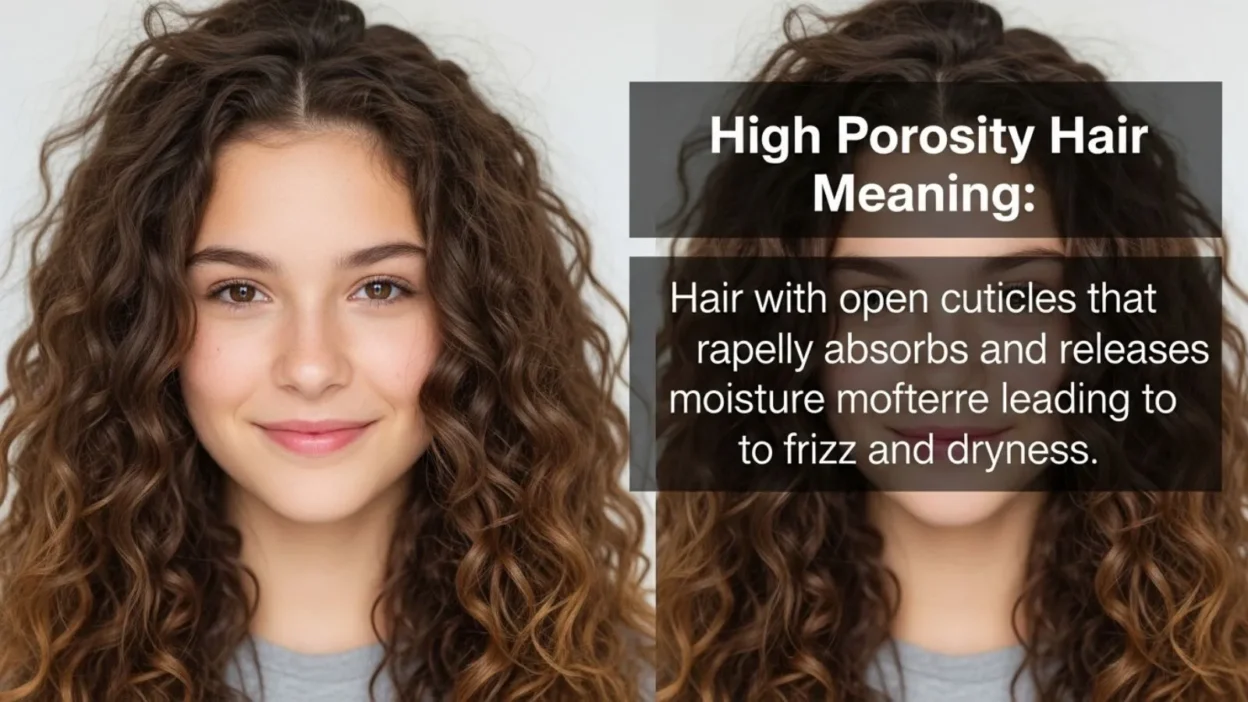
In simple terms, hair porosity refers to how well your hair absorbs and retains moisture. High porosity hair has raised or damaged cuticles, which allows moisture to enter easily but it also escapes just as fast.
This makes the hair prone to dryness, breakage, and frizz if not cared for properly. In this article, we’ll explore what high porosity hair means, the common signs to watch for, its causes, and practical tips to nourish, strengthen, and protect your hair effectively.
What is Hair Porosity?
Hair porosity is a term used to describe how well your hair can absorb and retain moisture. It’s determined by the condition of your hair’s cuticle—the outer protective layer made up of overlapping scales. When the cuticles are tightly closed, hair retains moisture well. When they are raised or damaged, moisture escapes easily. Understanding your hair porosity is crucial because it affects how your hair responds to products, styling, and treatments.
There are generally three types of hair porosity: low, medium (normal), and high. Low porosity hair has tightly packed cuticles, making it resistant to water and product absorption. Medium porosity hair has slightly raised cuticles, allowing it to absorb and retain moisture efficiently. High porosity hair, on the other hand, has gaps or damage in the cuticle layer, causing hair to absorb water quickly but lose it just as fast.
High porosity hair is often more prone to frizz, tangling, and breakage, while low porosity hair may feel resistant to conditioning products. By identifying your hair’s porosity, you can choose the right shampoos, conditioners, and styling techniques to maximize moisture retention, reduce breakage, and improve overall hair health. Testing hair porosity at home is simple, and knowing this can save you time, money, and frustration while helping your hair look and feel its best.
Understanding High Porosity Hair
High porosity hair is hair that absorbs moisture quickly but struggles to retain it. This happens because the cuticle, the protective outer layer of the hair, has gaps, cracks, or raised edges. These openings allow water and products to enter easily, but they also let moisture escape just as fast. As a result, high porosity hair often feels dry, brittle, and frizzy, even after using hydrating products.
There are several key characteristics that make high porosity hair easy to identify. It may dry very quickly after washing but still feel rough or straw-like. Tangling and knotting are common, as damaged cuticles can catch on each other. The hair may also appear dull, lack natural shine, or break easily during combing or styling.
High porosity hair can develop due to both natural and external factors. Genetics play a role—some people are born with more porous hair. Chemical treatments such as bleaching, coloring, or perming can lift and weaken the cuticle. Heat styling, like flat irons or curling tools, and environmental damage from sun exposure, wind, or pollution can also contribute.
Understanding high porosity hair is essential for proper hair care. When you know your hair’s porosity, you can choose the right moisturizing products, protective styles, and treatments to reduce dryness, strengthen strands, and prevent breakage. With the right routine, high porosity hair can look healthy, shiny, and manageable.
Signs You Have High Porosity Hair
Recognizing high porosity hair is the first step toward proper care. While it may seem obvious in some cases, many people don’t realize their hair type until they notice consistent dryness, breakage, or frizz. Here are the most common signs that indicate high porosity hair.
- Dries Quickly but Feels Dry: High porosity hair often soaks up water fast, but moisture evaporates just as quickly. Even after applying conditioners or leave-in products, hair may feel rough or brittle.
- Prone to Frizz and Tangles: Raised cuticles cause strands to catch on each other, making hair frizzy and difficult to detangle. Knots form easily, especially in humid environments.
- Breakage and Split Ends: Because high porosity hair loses moisture rapidly, it becomes weak and fragile. This leads to frequent breakage and split ends, particularly during brushing or styling.
- Dull Appearance: Even healthy hair has a natural shine. High porosity hair may appear dull because its raised cuticles reflect less light.
- Absorbs Products Quickly: While this may seem like a benefit, it often means hair drinks up products and still dries out fast, requiring repeated applications.
Simple home tests can confirm porosity, such as the water test, where a strand of hair is placed in water. If it sinks quickly, it’s likely high porosity. Another test is the strand test, which checks elasticity and breakage.
Causes of High Porosity Hair
High porosity hair develops when the hair’s protective cuticle layer becomes damaged or raised, allowing moisture to enter and escape quickly. Understanding the causes of high porosity hair helps you prevent further damage and choose the right care routine.
- Genetics: Some people are naturally born with high porosity hair. Their cuticles may naturally be more open, making their hair more prone to dryness and breakage.
- Chemical Treatments: Hair bleaching, coloring, perming, or chemical straightening can lift or damage the cuticle. Repeated chemical exposure weakens the hair’s structure, increasing porosity.
- Heat Damage: Frequent use of flat irons, curling irons, and blow dryers can weaken the hair cuticle. High temperatures can cause cracks or splits, making hair more porous.
- Environmental Factors: Sun exposure, wind, and pollution can all impact hair health. UV rays can damage the cuticle, while harsh climates or dry air can strip natural moisture.
- Improper Hair Care Practices: Overwashing, using harsh shampoos with sulfates, and brushing wet hair aggressively can contribute to cuticle damage.
- Lifestyle Factors: Poor nutrition, dehydration, and lack of hair protection can exacerbate hair weakness and increase porosity.
By identifying the root causes, you can tailor your hair care routine to repair damage, retain moisture, and protect your hair from further harm. High porosity hair doesn’t have to be unmanageable—understanding the causes is the first step toward stronger, healthier, and more hydrated hair.
Challenges of High Porosity Hair
High porosity hair can look beautiful when healthy, but it comes with unique challenges that make daily hair care more demanding. Understanding these issues is essential for anyone with this hair type.
- Moisture Retention Issues: The most common challenge of high porosity hair is its inability to retain moisture. Hair may feel soft immediately after washing but dries out quickly, leaving strands brittle and frizzy.
- Breakage and Split Ends: Because high porosity hair loses moisture rapidly, it becomes fragile. Combing, styling, or even brushing can cause strands to snap, leading to split ends and slow growth.
- Frizz Management: Raised cuticles allow moisture from the air to enter unevenly, causing hair to frizz, especially in humid conditions. This makes styling difficult and can affect the hair’s overall appearance.
- Product Absorption and Waste: High porosity hair soaks up products like leave-in conditioners and oils quickly. While this seems helpful, much of the product evaporates or seeps out, requiring frequent reapplication.
- Hair Color Fading: Colored or chemically treated hair with high porosity loses dye faster because the cuticle cannot hold pigment effectively, causing color to fade quickly.
- Styling Difficulty: Managing high porosity hair can be tricky. Certain hairstyles may not hold well, and heat styling can worsen dryness and breakage if done improperly.
By understanding these challenges, individuals with high porosity hair can develop routines that protect moisture, strengthen strands, and minimize breakage, turning hair care from a daily struggle into a manageable routine.
How to Care for High Porosity Hair
Caring for high porosity hair requires a combination of moisture retention, gentle handling, and protective practices. With the right routine, you can reduce frizz, strengthen strands, and maintain healthy hair.
- Deep Moisturizing: Use rich conditioners, leave-in creams, and hair masks to replenish lost moisture. High porosity hair absorbs products quickly, so apply generously and leave them on long enough to penetrate the cuticle.
- Protein Treatments: Occasionally strengthen weak strands with protein-rich treatments. Hair with high porosity benefits from a balance of moisture and protein to prevent breakage. Avoid overuse, as too much protein can make hair stiff and brittle.
- Seal Moisture: After moisturizing, lock in hydration with oils like argan, coconut, or jojoba. Oils create a protective layer that reduces water loss and adds shine.
- Protective Hairstyles: Braids, buns, and twists minimize friction and prevent breakage, keeping hair healthy for longer.
- Gentle Handling: Avoid excessive heat styling, harsh brushing, and tight hairstyles that stress hair. Always detangle gently using a wide-tooth comb or fingers.
- Avoid Harsh Products: Sulfate-heavy shampoos, alcohol-based products, and overly processed chemicals strip moisture and damage the cuticle. Choose sulfate-free, hydrating shampoos and conditioners.
- Regular Trims: Trimming damaged ends prevents split ends from traveling up the hair shaft, keeping hair healthier and stronger.
By combining moisturizing, protein treatments, protective styles, and gentle care, high porosity hair can become more manageable, stronger, and visibly healthier over time.
Best Products for High Porosity Hair
Choosing the right products is essential for maintaining high porosity hair, as the wrong ones can cause dryness, breakage, and frizz. High porosity hair needs products that moisturize deeply, strengthen strands, and lock in hydration.
- Sulfate-Free Shampoos: Harsh shampoos strip natural oils and weaken the hair cuticle. Opt for gentle, sulfate-free cleansers that clean without drying, such as moisturizing or hydrating shampoos.
- Deep Conditioning Masks: Weekly deep conditioning treatments help replenish moisture and repair damaged cuticles. Look for masks containing shea butter, aloe vera, or coconut oil to provide intensive hydration.
- Leave-In Conditioners: These are perfect for daily moisture. Leave-in conditioners with lightweight oils and humectants keep hair soft, manageable, and protected from environmental stress.
- Hair Oils and Butters: Oils such as argan, jojoba, coconut, or castor oil help seal moisture into the hair shaft. Natural butters like shea butter can also provide an extra protective layer against dryness.
- Protein Treatments: Occasionally using protein-based products strengthens strands and reduces breakage. Choose treatments with hydrolyzed proteins, but avoid overuse, as too much protein can make hair stiff.
- Moisturizing Serums: Serums or creams with glycerin or panthenol help maintain shine and reduce frizz by keeping moisture locked in throughout the day.
By combining these hydrating, protein-rich, and protective products, you can transform high porosity hair into soft, healthy, and more manageable strands. The key is consistency: regular use of the right products keeps moisture balanced and hair strong over time.
How to Test Your Hair Porosity
Knowing your hair porosity is the first step in creating a care routine that truly works. Testing high porosity hair at home is simple, and there are a few effective methods anyone can try.
- The Water Test: Take a clean strand of hair and place it in a glass of water. If it sinks quickly within a few seconds, your hair is likely high porosity. Hair that floats slowly is medium porosity, and hair that stays afloat for a long time is low porosity. This test works because porous hair absorbs water quickly, causing it to sink.
- The Slip ‘n’ Slide Test: Run your fingers along a single strand from root to tip. If the strand feels rough, bumpy, or raised, it indicates high porosity, as raised cuticles create friction along the hair shaft. Smooth strands typically indicate low or medium porosity.
- Elasticity Test: Gently stretch a wet strand of hair. High porosity hair may stretch easily but breaks quickly, while healthy medium porosity hair returns to its original length without snapping. Low porosity hair stretches minimally.
- Product Absorption Observation: High porosity hair absorbs products very quickly. If you notice that leave-in conditioners, oils, or hair masks seem to disappear almost immediately, it’s a strong indicator of high porosity.
Testing your hair porosity helps you tailor treatments and products, ensuring moisture and protein balance. By identifying high porosity early, you can prevent breakage, reduce frizz, and maintain healthy, hydrated hair.
Can High Porosity Hair Become Low Porosity?
Many people wonder if high porosity hair can be transformed into low porosity hair. The short answer is: porosity is largely determined by genetics, so you cannot completely change your natural hair structure. However, with proper care, you can improve the health of high porosity hair, strengthen the cuticle, and make it behave more like low porosity hair.
High porosity hair has gaps or raised cuticles, which causes moisture to escape quickly. Over time, consistent care can help smooth the cuticle, lock in hydration, and reduce damage, making hair more resilient and less prone to dryness and breakage.
Here’s how you can improve high porosity hair:
- Moisturize and Seal: Regularly use deep conditioners and oils to lock in moisture and protect hair from environmental damage.
- Protein Treatments: Occasional protein treatments repair weak strands, strengthening the hair shaft and preventing further cuticle damage.
- Protective Styling: Styles like braids, buns, or twists minimize friction and prevent breakage.
- Gentle Handling: Avoid excessive heat, harsh brushing, and chemical treatments that can worsen porosity.
- Avoid Harsh Products: Use sulfate-free shampoos and alcohol-free products to preserve natural oils.
While you cannot change your hair’s natural porosity completely, these practices help balance moisture and protein, making high porosity hair easier to manage and healthier in appearance. With time and consistency, even high porosity hair can become smooth, strong, and more manageable, almost behaving like medium or low porosity hair.
Styling Tips for High Porosity Hair
High porosity hair can be beautiful, but styling it requires a bit more care to prevent frizz, breakage, and dryness. With the right approach, you can achieve manageable, healthy-looking hair while protecting it from further damage.
- Protective Styles: Braids, twists, buns, and updos minimize friction and reduce breakage. Protective styles also help retain moisture and prevent tangles, making hair easier to maintain daily.
- Low-Heat Styling: Heat styling can exacerbate cuticle damage. When using flat irons or curling wands, always apply a heat protectant. Opt for lower heat settings and limit styling to a few times per week.
- Avoid Overwashing: High porosity hair loses moisture quickly, so washing too frequently can strip natural oils. Aim for washing 1–3 times a week using gentle, sulfate-free shampoos.
- Moisturize Before Styling: Apply leave-in conditioners or lightweight creams before styling to keep strands hydrated and reduce frizz. Follow with natural oils to seal moisture.
- Detangle Gently: Use a wide-tooth comb or your fingers to detangle hair when damp, starting from the ends and working toward the roots. Avoid brushing dry hair to prevent breakage.
- Overnight Care: Protect hair at night with satin or silk scarves, bonnets, or pillowcases. This reduces friction and keeps moisture locked in while you sleep.
By incorporating these styling tips, high porosity hair can look smooth, shiny, and well-managed. Combining protective techniques with proper hydration ensures your hair stays strong, resilient, and ready for any hairstyle.
Common Myths About High Porosity Hair
High porosity hair is often misunderstood, and several myths can lead to improper care. Debunking these misconceptions helps you make better choices for your hair.
- Myth 1: High Porosity Hair is Always Damaged
Not all high porosity hair is damaged. Some people are genetically predisposed to naturally porous hair. While damage can increase porosity, high porosity does not automatically mean unhealthy hair. - Myth 2: Protein Treatments Always Make Hair Stronger
Protein treatments help repair weakened strands, but too much protein can make hair stiff, brittle, and prone to breakage. It’s important to balance protein and moisture for optimal hair health. - Myth 3: High Porosity Hair Cannot Grow Long
High porosity hair can grow long, but it requires proper care to prevent breakage. Regular moisturizing, protective styling, and gentle handling can help retain length. - Myth 4: All Products Work the Same
High porosity hair absorbs products quickly, but not all products are effective. Heavy oils, butters, and deep conditioners work better than lightweight or alcohol-based products, which can evaporate too quickly. - Myth 5: High Porosity Hair Cannot Be Colored
While chemical treatments can affect porosity, with proper care and strengthening routines, high porosity hair can be safely colored. Pre-treatment hydration and protein care are essential.
Understanding these myths allows you to treat high porosity hair correctly, ensuring it stays hydrated, strong, and manageable. Knowledge of the truth behind these misconceptions empowers you to adopt routines that maximize health, shine, and growth, rather than unintentionally causing damage.
FAQs
1. How do I know if my hair is high porosity?
Signs include hair that dries quickly but feels dry, tangles easily, frizzes, breaks often, and absorbs products fast. You can also do a water test or strand elasticity test at home.
2. What is the best shampoo for high porosity hair?
Choose sulfate-free, moisturizing shampoos that cleanse gently without stripping natural oils. Ingredients like aloe vera, shea butter, or coconut oil help maintain moisture.
3. Can high porosity hair be colored safely?
Yes, but it requires extra care. Pre-treat hair with moisturizing and protein-rich products to strengthen strands, and avoid frequent chemical treatments that could worsen porosity.
4. How often should I deep condition high porosity hair?
Deep conditioning once or twice a week is ideal. This restores lost moisture, smooths the cuticle, and reduces frizz and breakage.
5. Can diet affect hair porosity?
While genetics play the main role, proper nutrition supports hair health. Protein, healthy fats, and vitamins like biotin, vitamin E, and omega-3s strengthen hair and improve overall resilience.
6. Can high porosity hair become low porosity?
You cannot fully change natural porosity, but consistent care can strengthen hair, smooth cuticles, and make it behave more like low porosity hair.
Conclusion
High porosity hair may present unique challenges, but with the right knowledge and care, it can be healthy, strong, and manageable.
Understanding the meaning of high porosity hair is the first step toward creating an effective hair care routine.
By recognizing the signs such as dryness, frizz, breakage, and quick product absorption you can tailor treatments and choose products that restore moisture, strengthen strands, and protect the cuticle.
Regular deep conditioning, protein treatments, protective styles, gentle handling, and the right oils and conditioners are essential for maintaining balance.
While genetics determine natural porosity, proper care can improve hair health, reduce frizz, and make high porosity hair behave more like medium or low porosity hair.

Oliver Wordsmith is the creative mind behind Punnery.com, a website full of clever puns, witty wordplay, and visual jokes. At Punnery.com, Oliver shares content that makes readers laugh, sparks creativity, and celebrates the playful side of language.