In our everyday conversations and digital interactions, the word “copy” pops up everywhere but do we really understand its full meaning?
From printing documents to duplicating files, writing marketing content, or even using phrases like “copycat,” the term carries multiple layers depending on the context.
Understanding the copy meaning is not just about knowing it refers to duplication; it also helps in avoiding mistakes, improving communication, and even staying safe legally when sharing content online.
If you’re a student, professional, marketer, or just someone navigating the digital world, knowing what copy truly means can save time and prevent confusion. In this article, we’ll explore the different types of copy, common phrases, digital and marketing implications, and legal considerations.
By the end, you’ll have a clear, practical understanding of copy and how to use it correctly in everyday life.
Definition of Copy
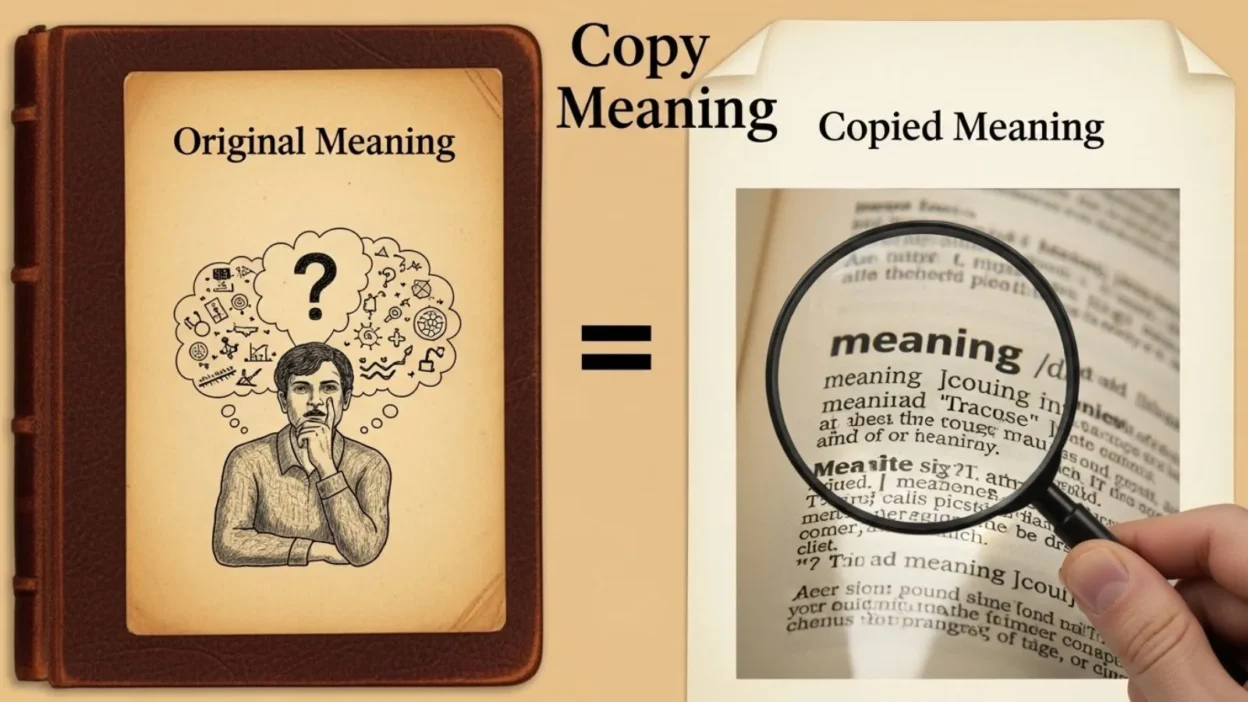
The word “copy” is a versatile term in the English language, and understanding its meaning depends on the context in which it is used. At its core, copy refers to a reproduction or duplication of something, whether it’s a physical object, a digital file, or a piece of written content. For example, making a copy of a document means creating an exact replica of the original, while in the digital world, copying a file transfers the same information to a new location without altering the original.
Copy can function as both a noun and a verb. As a noun, it represents the duplicate itself—like “I made a copy of the report.” As a verb, it describes the action of reproducing—“Please copy this file to your folder.” This dual use makes the term widely applicable in daily life, technology, education, and professional settings.
Beyond simple duplication, copy also appears in more specialized contexts. In marketing, for example, “copy” refers to text created to persuade or inform readers, such as advertising slogans or website content. Similarly, in informal language, terms like “copycat” use the word metaphorically to describe someone who imitates another person.
Understanding the copy meaning is important because it clarifies communication and helps avoid confusion. Whether you’re copying a file, writing marketing content, or just explaining a document, knowing the nuances of the term ensures you use it accurately in every situation.
Different Types of Copy
The term “copy” can take on different meanings depending on the context, and understanding these types is essential for using it correctly. Broadly, copy can be categorized into physical, digital, and marketing copy, each serving unique purposes.
1. Physical Copy:
This is the most traditional form of copy. It refers to printed or handwritten reproductions of documents, books, or papers. For instance, making a photocopy of an important contract ensures you have a backup if the original is lost. Physical copies are tangible and often used in offices, schools, or official transactions.
2. Digital Copy:
In the digital era, copy often refers to files, images, software, or any data replicated electronically. Copying a file on your computer creates an exact duplicate without changing the original. This type of copy is fast, convenient, and widely used in everyday computing. Digital copy also extends to cloud storage, email attachments, and backups, ensuring important data is preserved.
3. Marketing Copy:
Here, “copy” doesn’t mean duplication but written content designed to inform, persuade, or sell. Examples include website content, product descriptions, social media posts, and advertisements. Marketing copy is all about using words creatively to engage readers and inspire action.
Copy vs Duplicate vs Clone
While the words copy, duplicate, and clone are often used interchangeably, they each carry slightly different meanings depending on context. Understanding these differences can help avoid confusion, especially in digital and professional environments.
Copy is the most general term, referring to the act of reproducing or creating a replica of something. This could be a file, document, image, or even written content. For example, “Please copy this report for the meeting” simply means to create an exact version of the original.
Duplicate is more specific and often implies creating an identical version that is officially recognized as a match to the original. In computing, duplicating a file ensures both the original and the duplicate are treated as separate but exact copies. The term is also used in business or legal contexts, such as duplicating contracts or official records.
Clone, on the other hand, usually carries a stronger sense of exact replication, often in scientific, technical, or digital fields. For instance, in software development, cloning a repository means creating a complete copy of a project, including all its history. In biology, cloning refers to creating a genetically identical organism.
In everyday use, copy is the most versatile term, while duplicate and clone are reserved for more precise or technical situations. Knowing when to use each word ensures clarity, prevents misunderstandings, and communicates your intention accurately, whether in writing, digital work, or scientific discussion.
Common Phrases and Idioms Using Copy
The word “copy” is not just about duplication; it also appears in many common phrases and idioms that convey different meanings. Understanding these expressions helps you use copy correctly in everyday conversation and writing.
One of the most familiar phrases is “make a copy”, which simply means to reproduce something, like a document, file, or image. For example, “Please make a copy of this report for everyone in the meeting.” It emphasizes creating a duplicate without altering the original.
Another common expression is “copycat”, which is used metaphorically to describe someone who imitates another person’s actions, style, or ideas. For instance, “Don’t be a copycat—come up with your own solution!” Here, copy conveys imitation rather than literal duplication.
The phrase “copy and paste” has become widely recognized in the digital world. It refers to transferring text or data from one place to another quickly, highlighting the ease of copying information digitally.
In professional contexts, “in copy” is used in emails, meaning a person is included as a recipient for information only, not necessarily to take action. For example, “I’m sending this email with you in copy for reference.”
These phrases show that copy extends beyond its literal meaning, taking on figurative and technical uses in different contexts. By familiarizing yourself with these idioms, you can communicate more naturally, whether you’re writing, speaking, or working digitally.
Copy in the Digital World
In the modern digital era, the concept of copy has expanded far beyond physical documents. Digital copying is an essential part of daily life, whether you’re working on a computer, using a smartphone, or managing cloud storage. At its core, digital copying involves creating an exact replica of a file, folder, image, or piece of data without altering the original.
One common example is copying files on a computer. By using commands like “copy-paste,” users can transfer information from one location to another, ensuring the original file remains intact. This is particularly useful for backing up important documents, sharing files with colleagues, or organizing data efficiently. Similarly, digital copy applies to images, software, and multimedia files, making it easy to distribute or store content safely.
However, digital copying also comes with challenges. Accidental overwriting of files, duplicate versions causing confusion, and loss of data due to improper backups are common issues. Additionally, copying content online, such as articles, images, or videos, raises legal and ethical considerations related to copyright infringement.
Despite these risks, understanding copy in the digital world is essential for productivity, security, and responsible content use. Mastering digital copy techniques—like version control, cloud backups, and safe file sharing—ensures efficiency while protecting original content. By grasping this digital dimension of copy, users can navigate technology more confidently and avoid common pitfalls.
Copy in Marketing and Content Writing
In marketing and content creation, the word “copy” takes on a specialized meaning. Here, it does not refer to duplication but to carefully crafted text designed to inform, persuade, or inspire action. Marketing copy is the backbone of advertising, websites, product descriptions, and social media posts. Its purpose is to communicate a message clearly and engage the audience effectively.
For example, a product description on an e-commerce site is considered marketing copy. It highlights features, benefits, and value, encouraging potential customers to make a purchase. Similarly, slogans, email campaigns, and landing page content rely on persuasive copy to grab attention and convert readers into buyers.
Unlike literal copying, marketing copy emphasizes originality, creativity, and clarity. Simply duplicating content from another source can harm a brand’s reputation and even lead to legal issues, including copyright infringement. Professional copywriters focus on using the right words, tone, and style to appeal to a specific audience, making the content both informative and compelling.
Understanding copy in this context is essential for anyone involved in digital marketing, content creation, or branding. It highlights how words themselves can be powerful tools—capable of influencing decisions, building trust, and enhancing communication. By mastering marketing copy, businesses and individuals can convey their message effectively while maintaining originality and ethical standards.
Copy in Legal Context
The concept of copy also plays a critical role in the legal world, particularly regarding copyright, intellectual property, and official documentation. In legal terms, a copy refers to a reproduction of a work, record, or document that must maintain accuracy and authenticity. Understanding the legal implications of copying helps individuals and businesses avoid disputes and penalties.
Copyright law protects original works such as books, articles, music, images, and software. Copying these works without permission can lead to serious consequences, including fines or legal action. This is why content creators and companies are careful about how digital and written materials are shared or reproduced. The phrase “unauthorized copy” is common in this context, referring to any replication of copyrighted material without explicit consent.
In official settings, such as courts, offices, or government agencies, making a copy of a document often requires ensuring that it is a true and accurate representation of the original. Legal copies, such as certified copies of contracts, certificates, or agreements, are recognized as valid for formal use.
It’s also important to differentiate between legal copying and fair use. Fair use allows limited copying for purposes like education, commentary, or research, but the boundaries must be respected to avoid infringement.
Overall, understanding the copy meaning in a legal context ensures compliance with the law and protects both creators and users. Whether handling copyrighted material or official documents, knowing the rules of copying is essential for safe and ethical practices.
Practical Examples of Copy in Daily Life
The concept of copy is not limited to technical or professional settings; it appears in many aspects of daily life. Recognizing how copy is used can make everyday tasks easier and help avoid misunderstandings.
In school or academic settings, students often make copies of notes, textbooks, or assignments. This allows them to study without risking damage to the original materials. For example, a student might copy a page from a textbook to review at home. Similarly, teachers often provide copies of handouts or worksheets to multiple students to ensure everyone has the same information.
In professional environments, making copies of contracts, reports, and memos is a common practice. Businesses often keep digital and physical copies of important documents to maintain backups and ensure accurate record-keeping. Copying files or emails within a team ensures everyone has the information they need.
Even in personal digital life, copying plays a crucial role. Users often copy text, images, or files for social media, cloud storage, or personal organization. Copying contact information, recipes, or instructions saves time and makes sharing easier.
Lastly, phrases like “copycat” or “copy and paste” are used in casual conversation, showing how deeply the term has integrated into everyday language.
By observing these practical examples, it becomes clear that copy is everywhere—helping people organize, share, and preserve information efficiently. Understanding its meaning and proper use ensures that this common action remains helpful rather than confusing or problematic.
Common Mistakes and Misunderstandings About Copy
Even though the concept of copy is widely used, people often make mistakes or misunderstand its meaning, leading to errors in both personal and professional contexts. Being aware of these pitfalls can help prevent confusion and complications.
One common mistake is overwriting the original file when attempting to copy digitally. Many users assume that copying automatically preserves the original, but accidental saving or pasting in the wrong location can replace the original content, resulting in data loss. Using proper version control and backup strategies can prevent this.
Another frequent misunderstanding is confusing copying with creating original work. In schools, workplaces, or online content creation, copying someone else’s work without credit is often mistaken as harmless. In reality, this can lead to plagiarism, legal issues, and damaged credibility. Proper attribution and originality are crucial whenever content is replicated.
People also misinterpret common phrases. For example, “copycat” is figurative, describing imitation, while “copy and paste” refers to a literal digital action. Misusing these terms can confuse communication.
In marketing and professional writing, another error is duplicating content instead of creating effective copy. Simply copying text from other sources without tailoring it to your audience can result in weak messaging and poor engagement.
By understanding these common mistakes and the nuances of the term copy, individuals can use it accurately, whether they are handling documents, digital files, marketing content, or everyday communication. Awareness ensures efficiency, clarity, and ethical use.
Tools and Tips for Copying Effectively
Copying is a simple concept, but doing it efficiently and safely—whether digitally, physically, or in writing—requires some planning and the right tools. Understanding best practices ensures that copies remain accurate, organized, and legal.
For digital copying, keyboard shortcuts like Ctrl+C (copy) and Ctrl+V (paste) on Windows, or Command+C and Command+V on Mac, are basic yet essential tools. File management software and cloud storage platforms such as Google Drive, Dropbox, or OneDrive allow users to copy and back up files reliably, ensuring nothing is lost. Using version control systems, especially for documents and software projects, helps track changes and avoid accidental overwrites.
For physical copies, high-quality scanners and photocopiers are useful for creating clear and durable duplicates of documents, contracts, or images. Keeping an organized filing system prevents mix-ups and ensures that both originals and copies are easy to locate.
In writing and marketing, effective copy involves more than just duplication. Tools like Grammarly, Hemingway Editor, or AI writing assistants help create clear, original, and persuasive text. Avoiding plagiarism checkers ensures your content is ethical and legally safe.
Tips for effective copying include double-checking the source, labeling copies clearly, keeping originals safe, and respecting copyright or intellectual property laws.
By combining the right tools with careful habits, copying becomes efficient, accurate, and secure—whether you’re handling digital files, printed documents, or creative content. Understanding these practices ensures that copying serves its intended purpose without causing mistakes or legal issues.
Frequently Asked Questions About Copy
1. What does “copy” mean?
The term “copy” generally means to reproduce or duplicate something. It can refer to physical objects, digital files, written content, or even marketing text. The meaning depends on context, but at its core, it involves creating a version of something that mirrors the original.
2. What is the difference between copy, duplicate, and clone?
Copy is the most general term, referring to any reproduction. Duplicate is more precise, often implying an officially recognized match. Clone usually refers to an exact replication in technical, scientific, or digital contexts, such as cloning a software repository or a living organism.
3. What is marketing copy?
In marketing, copy refers to text designed to persuade or inform. Examples include product descriptions, ads, social media posts, and website content. Unlike literal copies, marketing copy emphasizes creativity and originality.
4. Is copying content online legal?
Copying online content can be legal only if it follows copyright laws or fair use guidelines. Unauthorized copying of copyrighted material can result in plagiarism or legal consequences. Always give proper credit and ensure permission when required.
5. What are common mistakes when copying?
Common errors include overwriting originals, copying without credit, misunderstanding idioms like “copycat,” and duplicating marketing content without tailoring it to your audience. Awareness of these mistakes ensures accuracy and ethical use.
6. How can I copy effectively?
Use proper tools like keyboard shortcuts, cloud storage, and version control. Clearly label copies, maintain backups, and respect copyright rules. For written or marketing copy, ensure originality and clarity to engage your audience effectively.
Conclusion
Understanding the meaning of copy is more important than it might first appear.
From physical documents to digital files, marketing content, and even everyday expressions, copy is a term that touches nearly every aspect of modern life.
Knowing the nuances if it refers to duplication, creative writing, or legal considerations helps you communicate clearly, work efficiently, and avoid mistakes.
Digital copying requires careful handling to prevent data loss or accidental overwriting, while marketing copy emphasizes originality and engagement. Legal awareness ensures that copying copyrighted material is done responsibly and ethically.
Additionally, recognizing common phrases and idioms like “copycat” or “copy and paste” enhances both professional and casual communication.
By mastering the concept and proper use of copy, you can navigate academic, professional, and personal contexts confidently.
If you are creating, sharing, or replicating content, understanding copy meaning ensures accuracy, clarity, and responsible use in everyday life.